
Warning Signs
Essential for hazard awareness, our Safety & Warning Signs clearly alert staff, contractors and visitors to dangers—complying with UK HSE regulations and EN ISO 7010 standards. Durable and highly visible, these signs suit indoor and outdoor environments, available in flexible vinyl or rigid formats. Ideal for construction sites, workplaces, and public areas, they help prevent accidents by making hazards unmistakably obvious.
-
Contains Asbestos Sign -
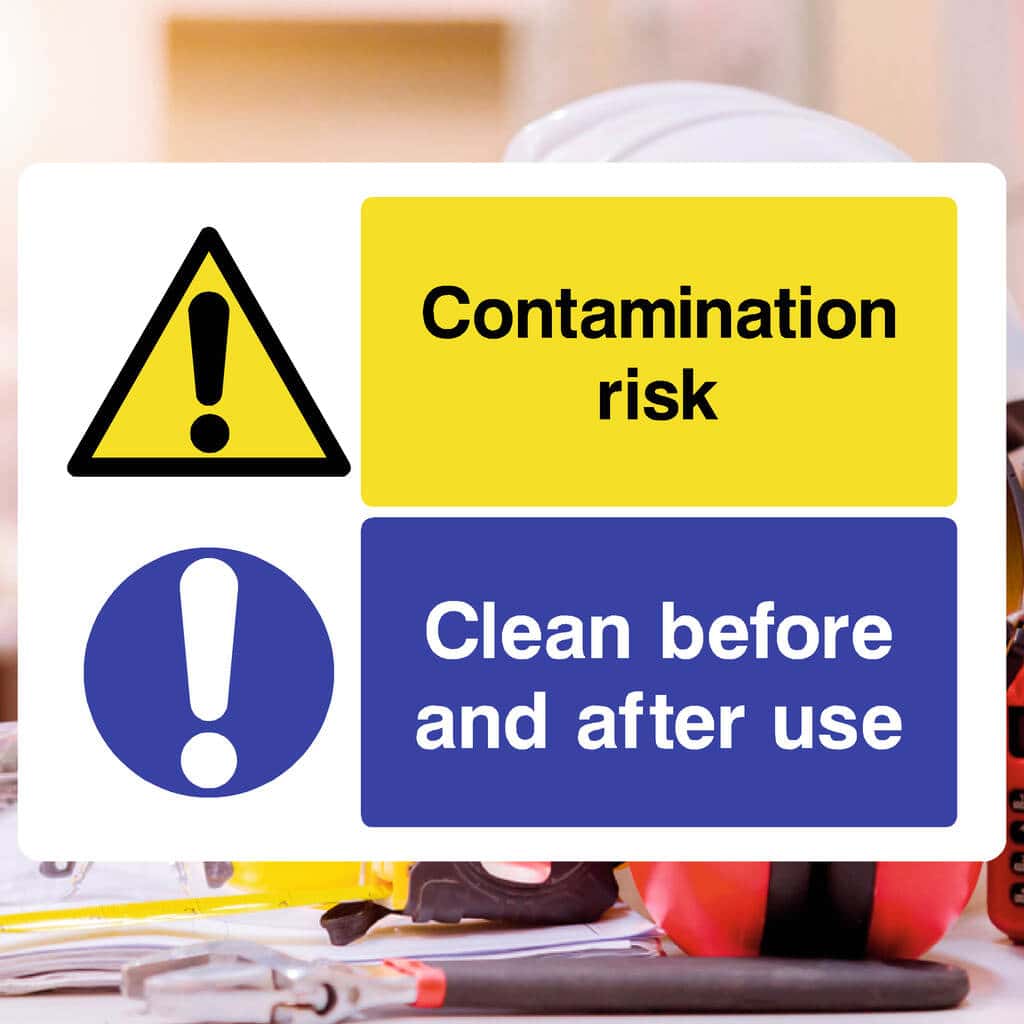
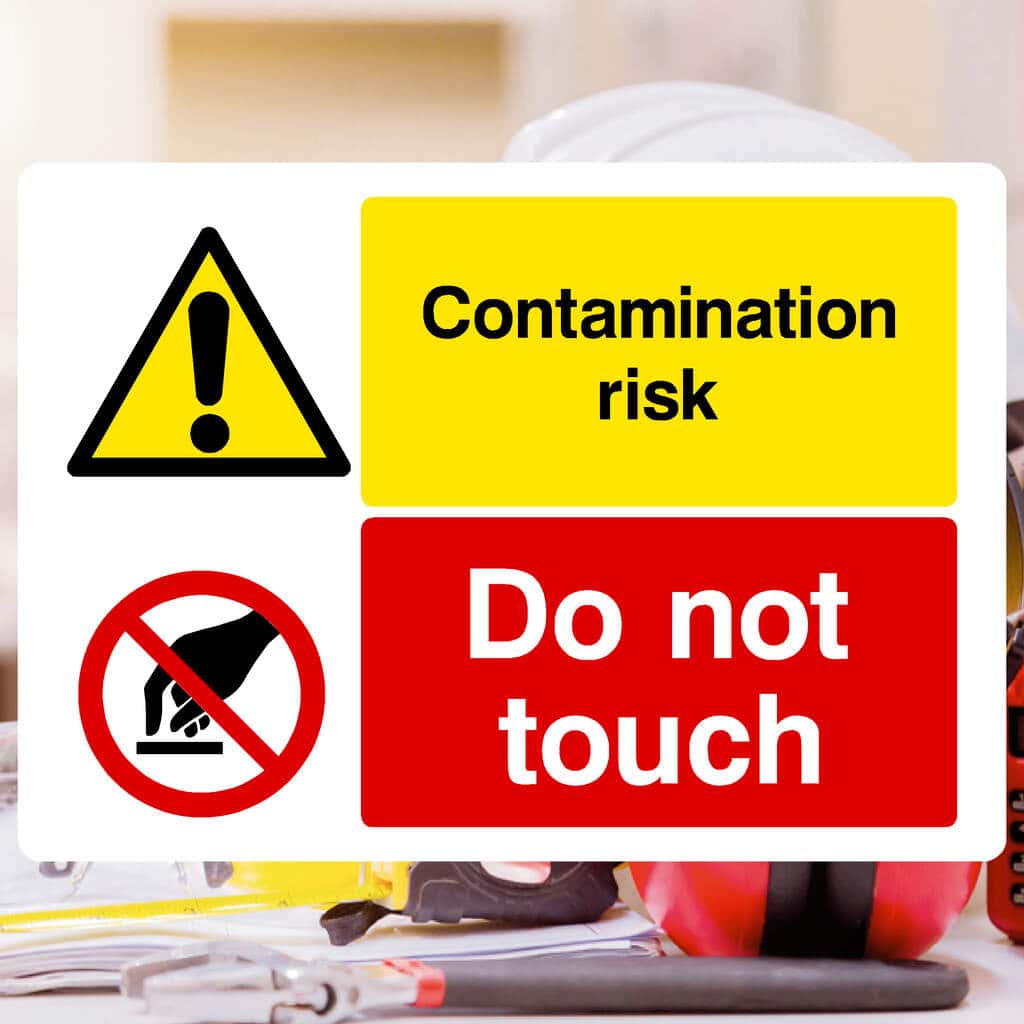
Contamination Risk Sign -
Contamination Risk Sign V2 -
Contamination Warning Sign -
Corrosive Acid Warning Sign -
Corrosive Hand Protection Sign -
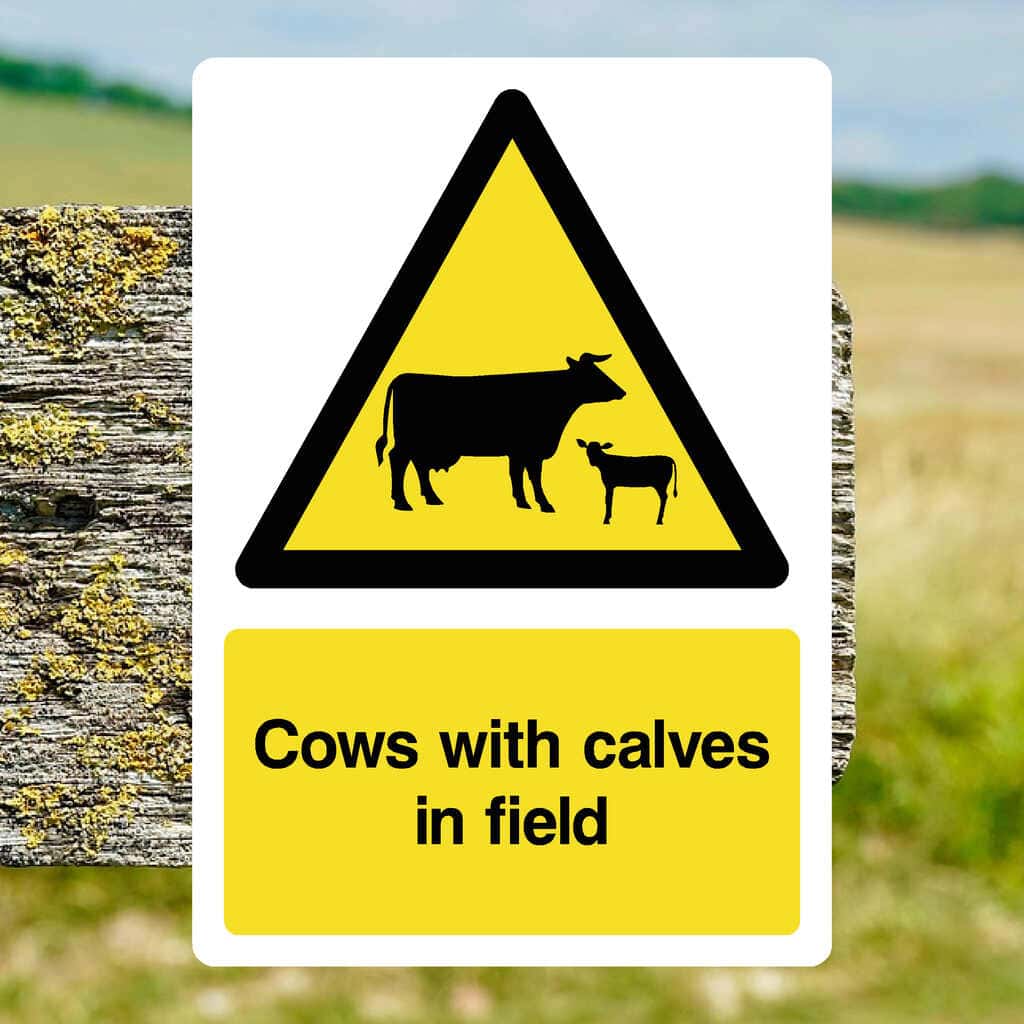
Cows With Calves Sign -
Crops Sprayed Warning Sign -
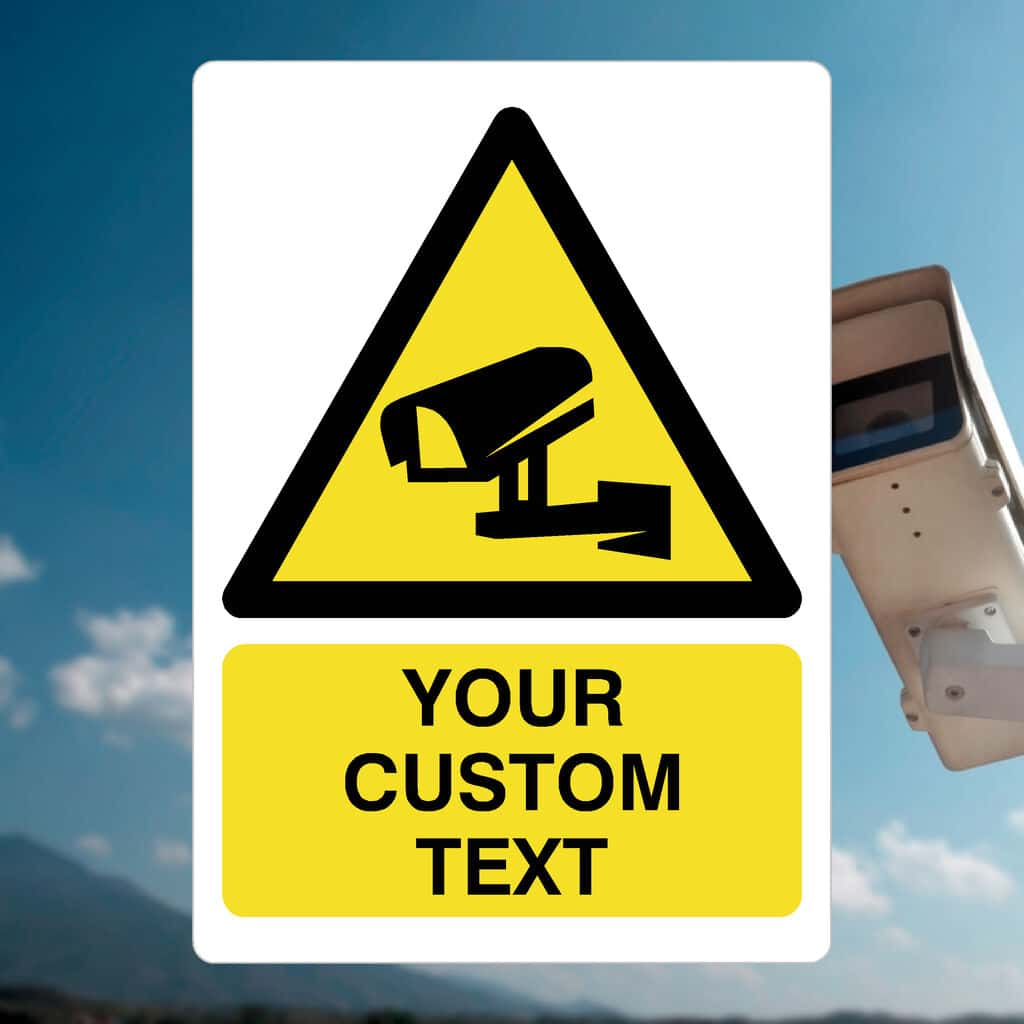
Custom CCTV Sign -
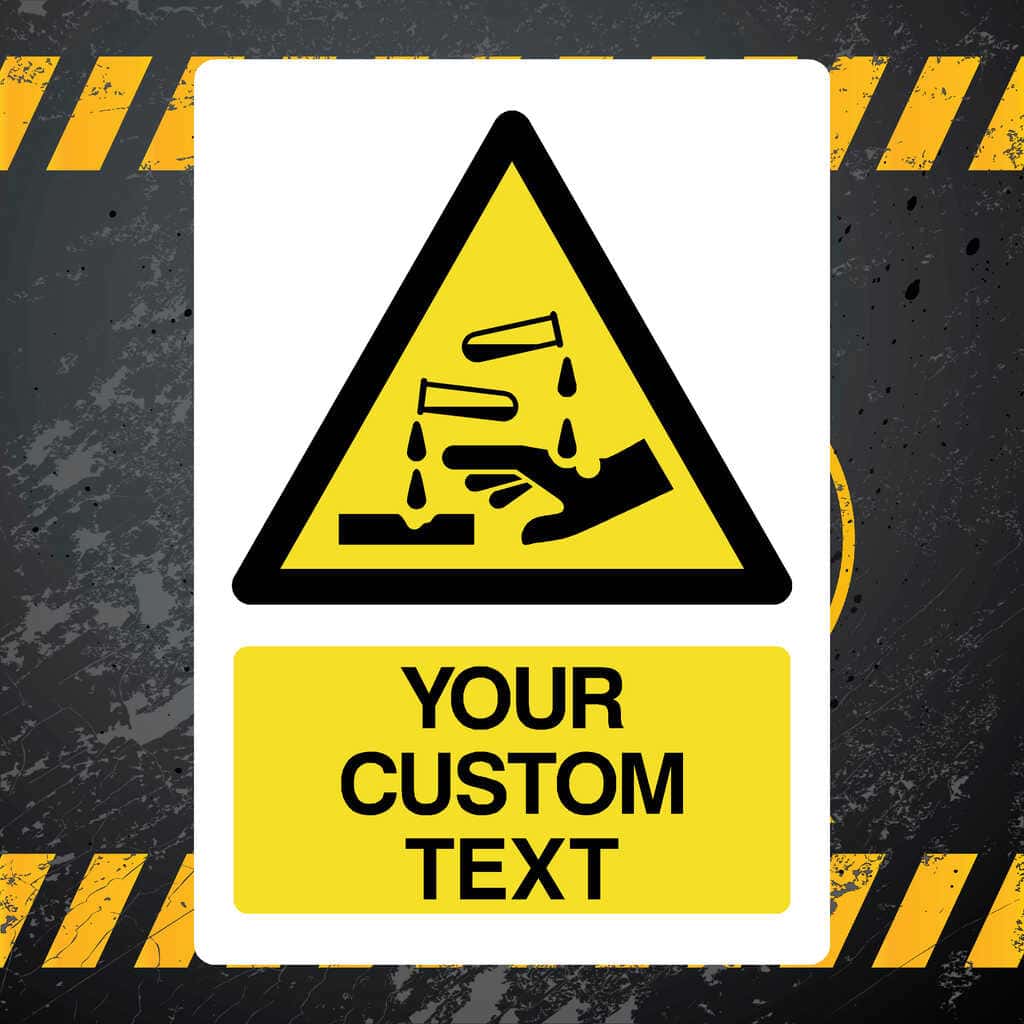
Custom Chemical Danger (Acid) Sign -
Custom Chemical Danger (Acid) Sign -
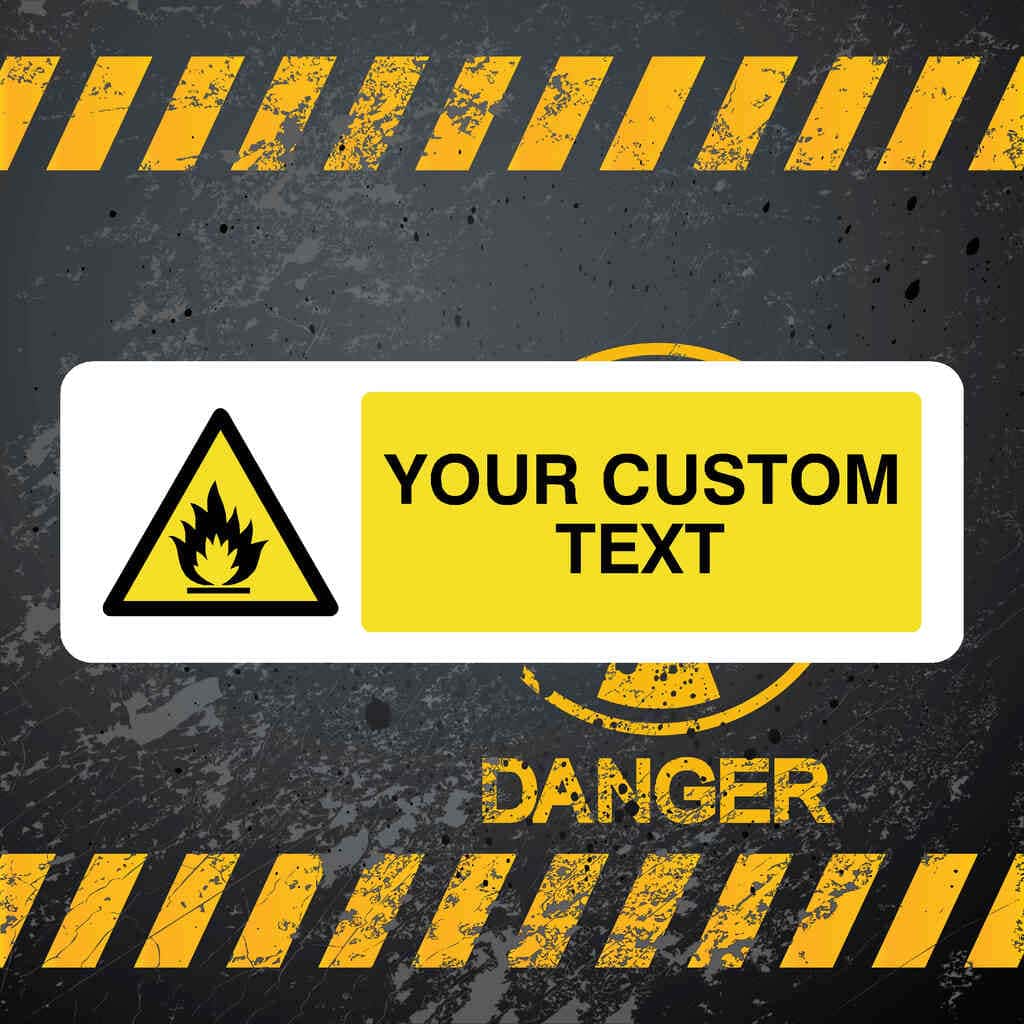
Custom Chemical Danger (Flammable) Sign -
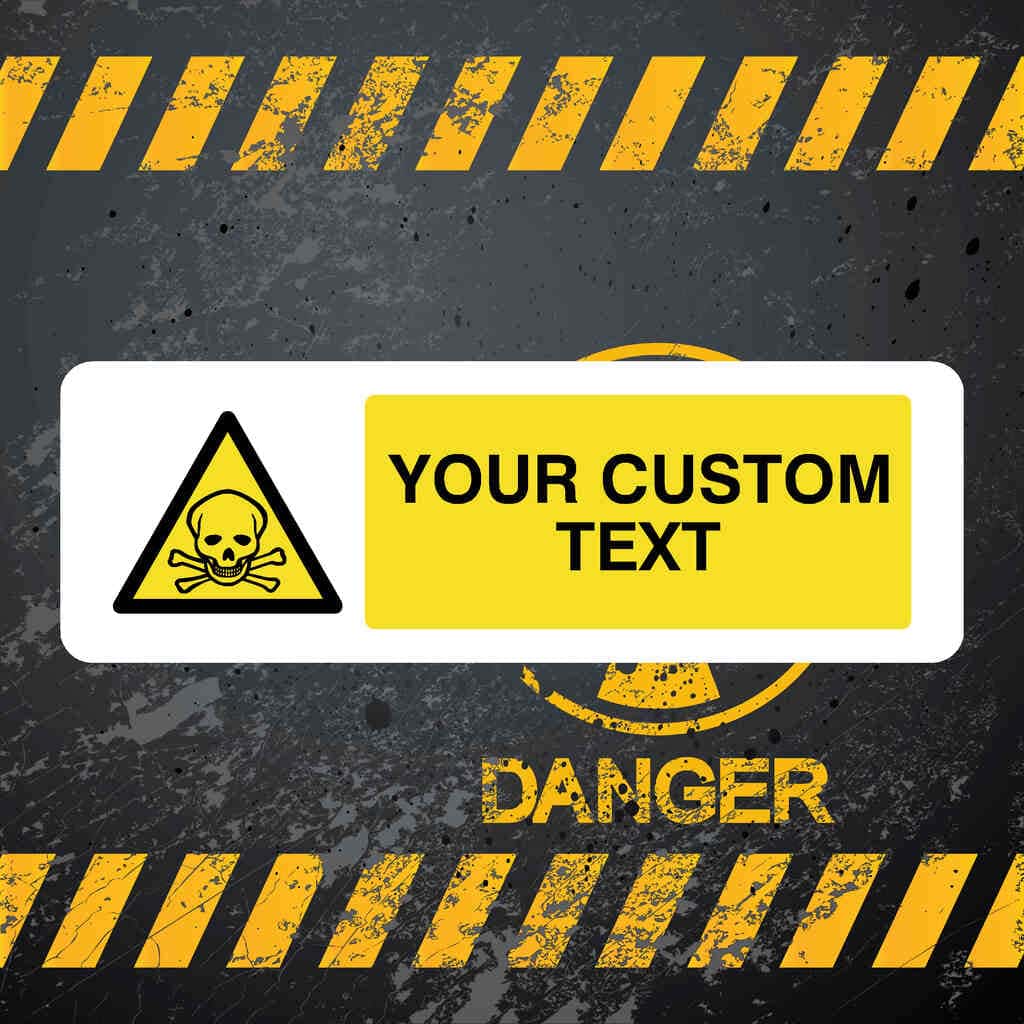
Custom Chemical Danger (Gas) Sign -
Custom Chemical Danger (Gas) Sign -
Custom Electrical Hazard Warning Sign -
Custom Electrical Hazard Warning Sign Portrait -
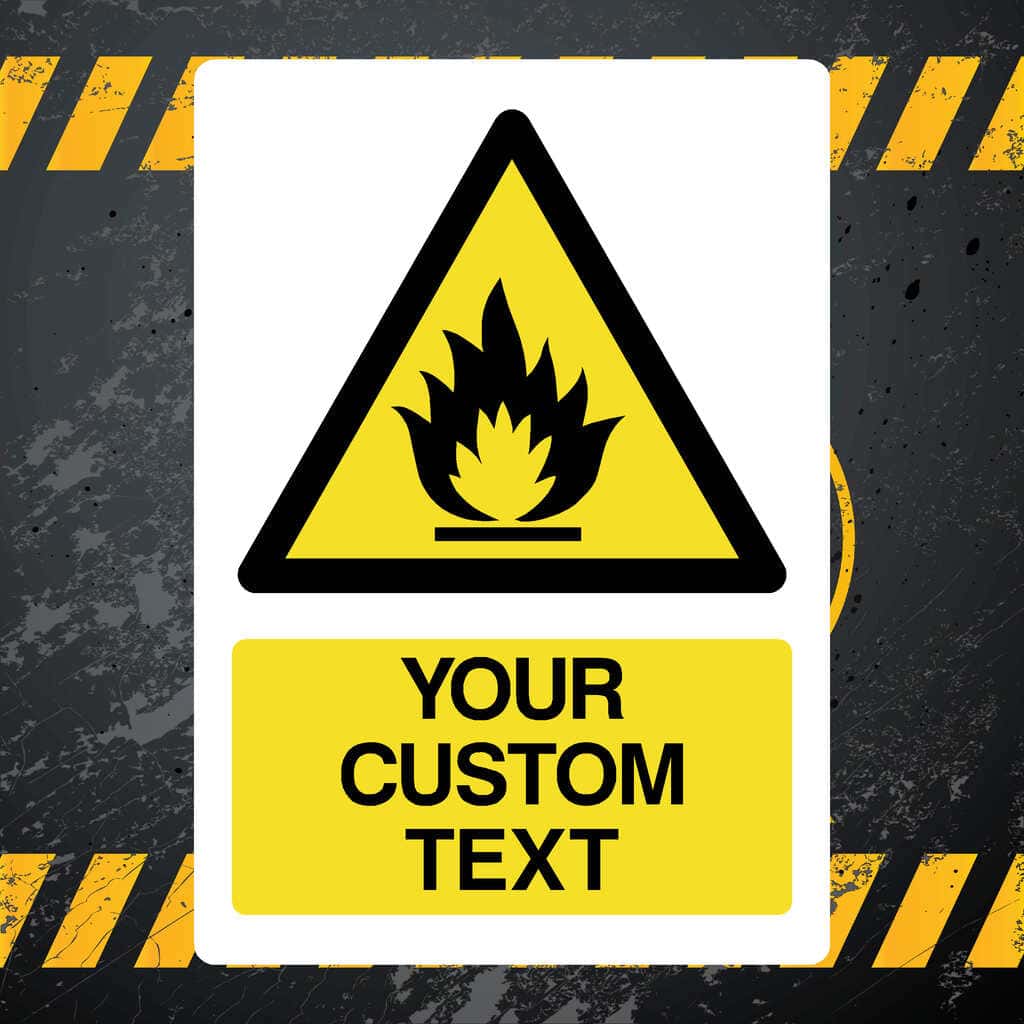
Custom Flammable Warning Sign -
Custom No Dogs Sign -
Custom No Mobile Phones Sign -
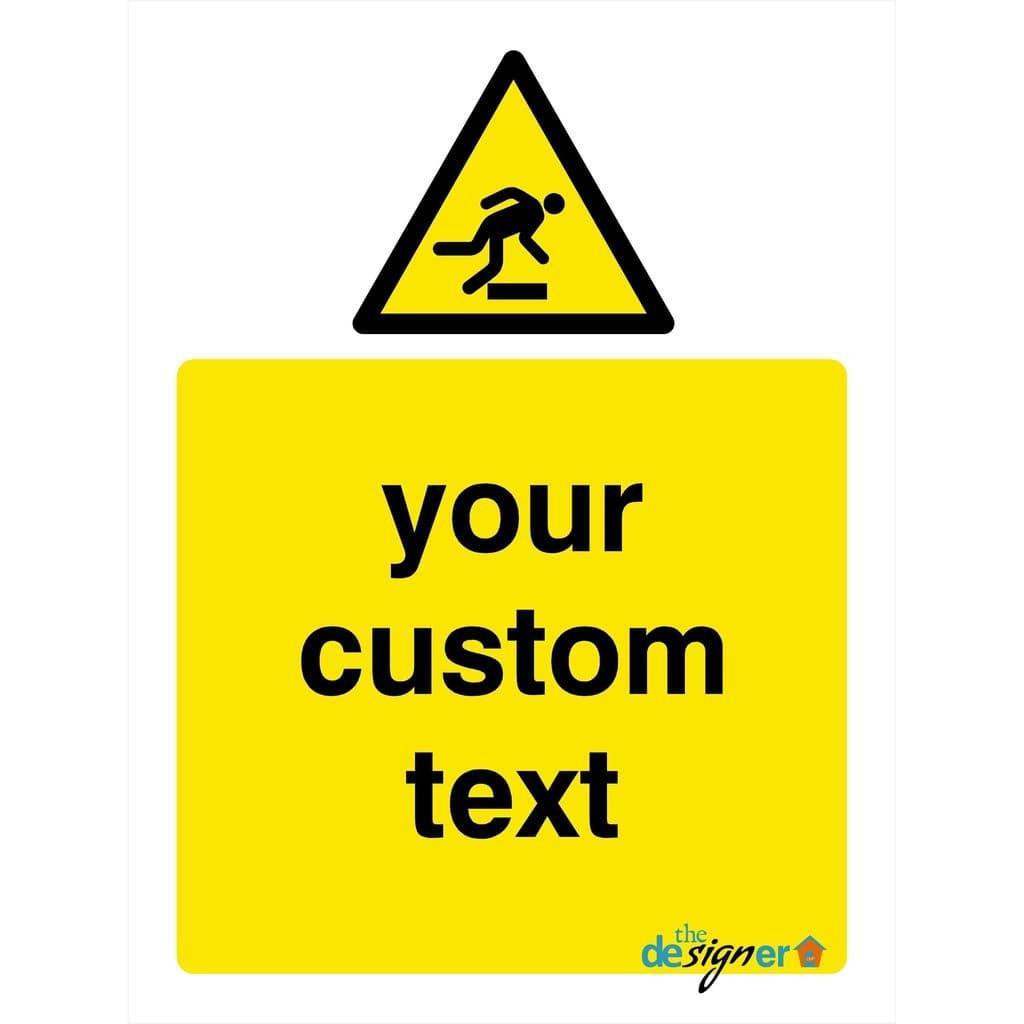
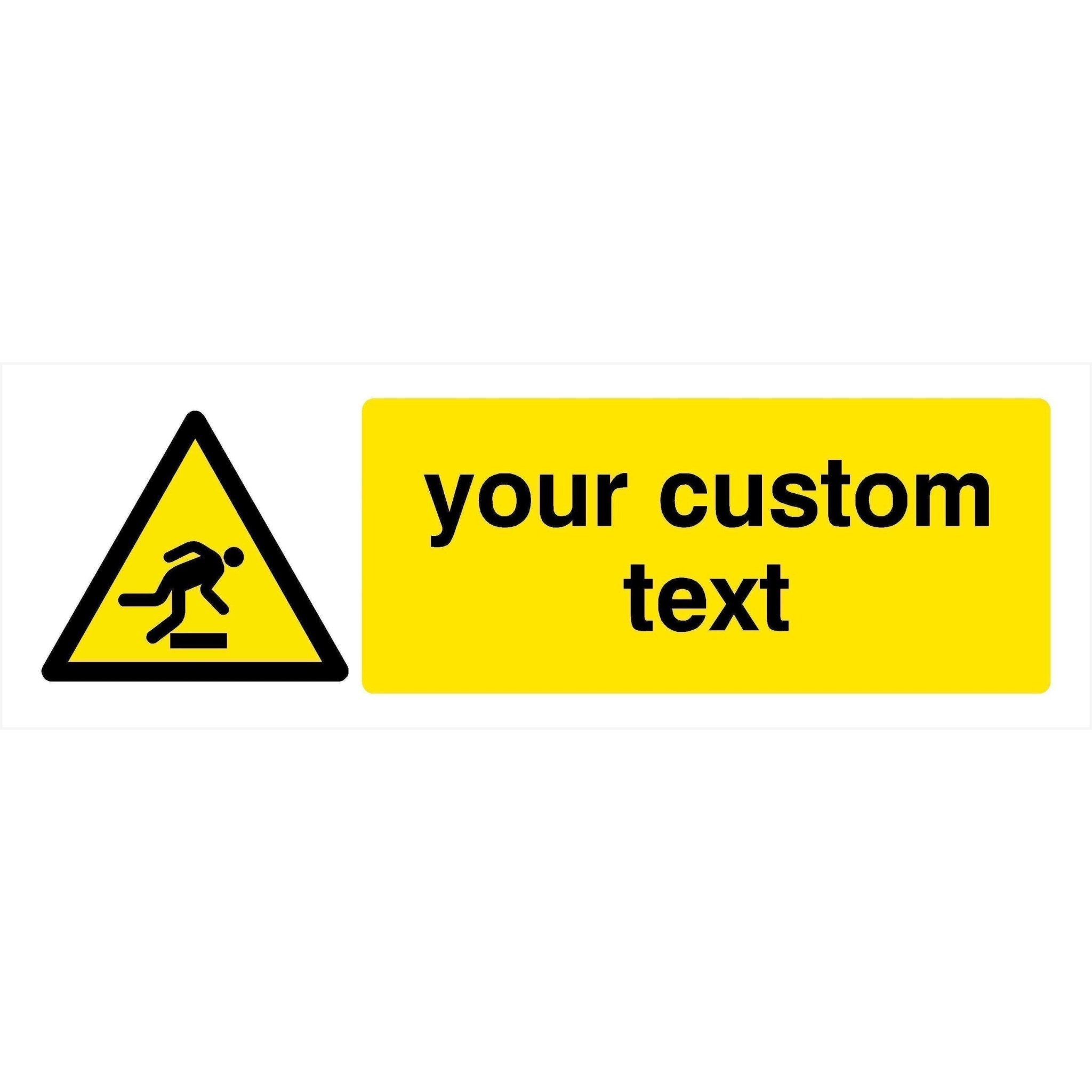
Custom Trip Hazard Sign -
Custom Trip Hazard Sign -
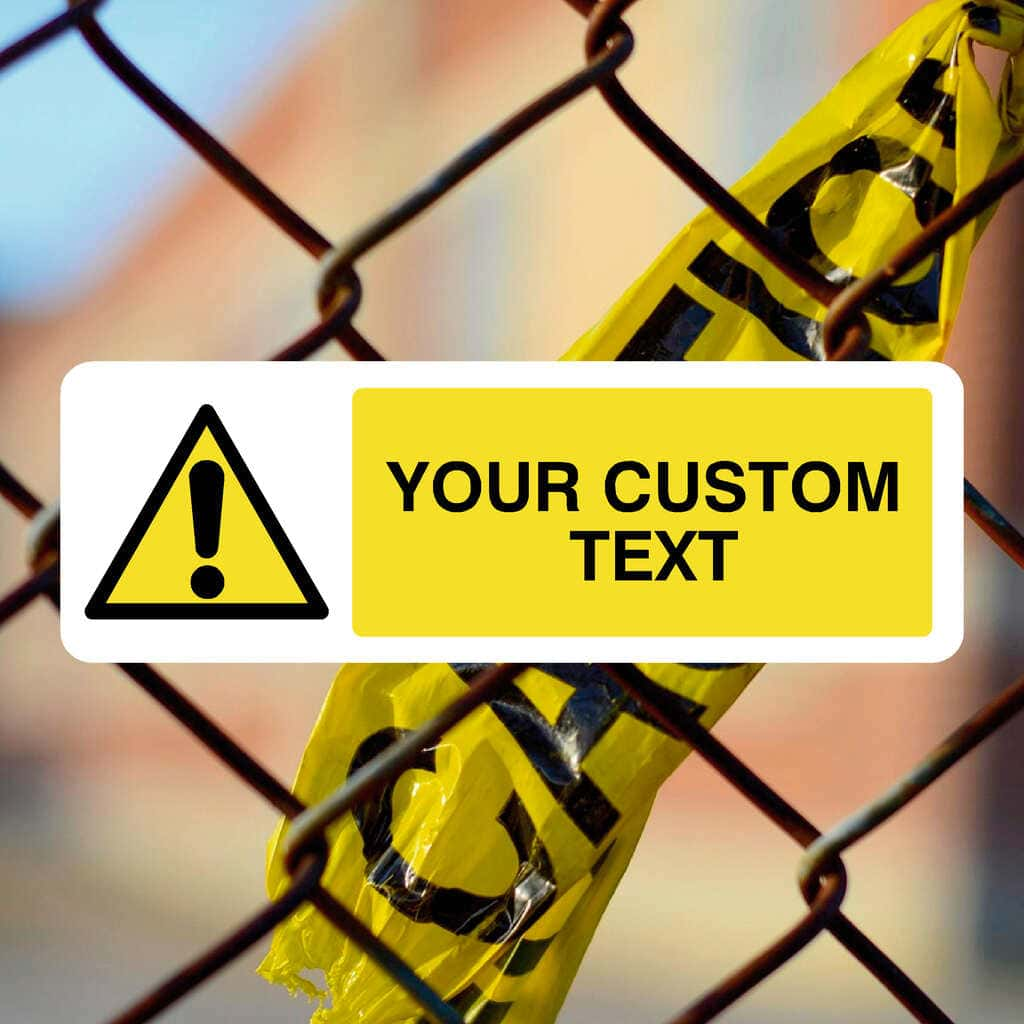
Custom Warning Sign Landscape -
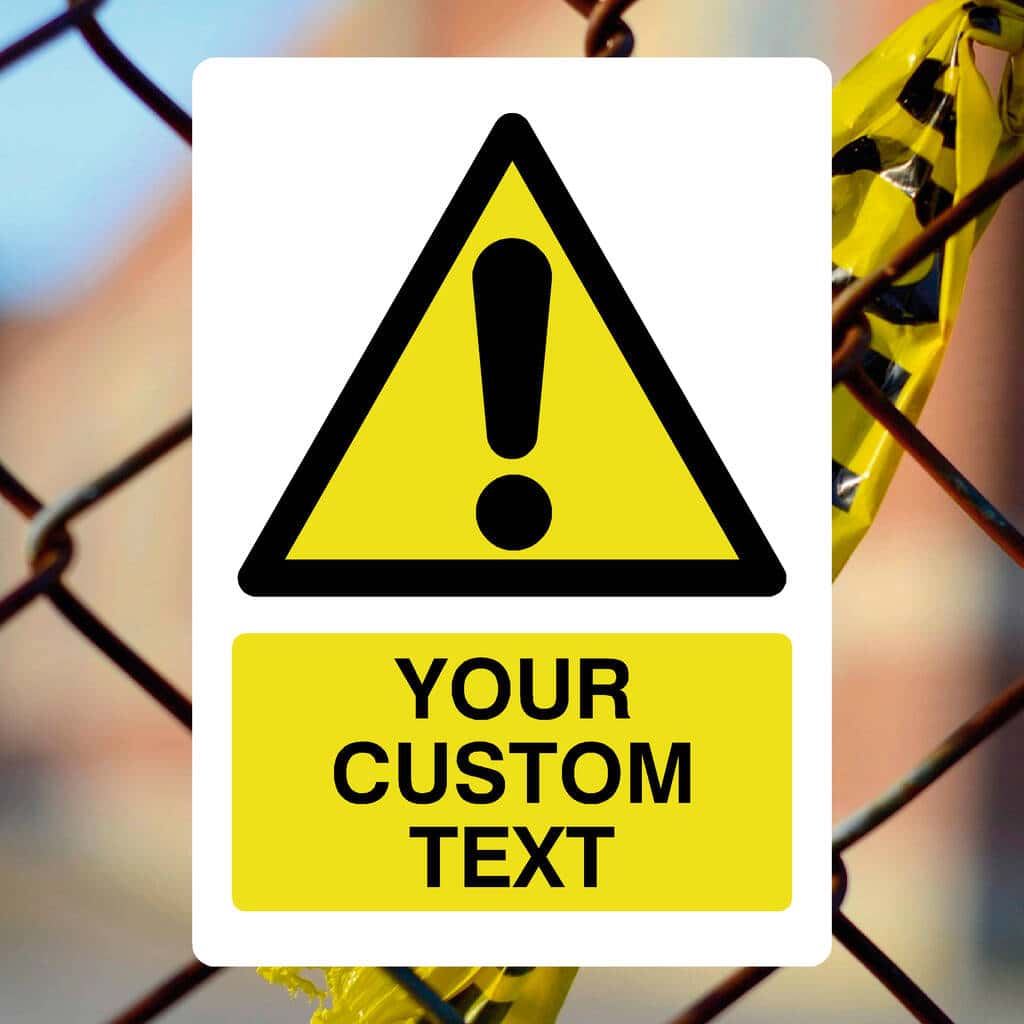
Custom Warning Sign Portrait -
Custom Wash Hands Sign













Got a question?
Get quick solutions to your common warning sign-buying questions
-
General warning signs should be displayed in any area where there is a potential risk to health and safety. Common locations include workplaces, construction sites, warehouses, schools, public areas, and private properties. These signs alert employees, visitors, and the general public to hazards such as slippery surfaces, high-voltage equipment, or dangerous machinery.
-
Warning signs act as a visual reminder of potential dangers, prompting people to take necessary precautions. For example, a "Caution: Wet Floor" sign can prevent slips and falls, while a "Danger: High Voltage" sign ensures that workers avoid electrical hazards. By clearly identifying risks, these signs contribute to accident reduction and improved workplace safety.
-
General warning signs cover a wide range of hazards, including:Slips, trips, and falls – e.g., uneven surfaces, icy pathsElectrical hazards – e.g., live wires, high-voltage areasChemical risks – e.g., corrosive substances, toxic fumesMechanical dangers – e.g., moving machinery, forklift operationsEnvironmental hazards – e.g., deep water, unstable ground
-
Yes, under the Health and Safety (Safety Signs and Signals) Regulations 1996, employers are required to use safety signs where risks cannot be entirely avoided through other means. These regulations align with the Health and Safety at Work etc. Act 1974, which places a duty on employers to ensure a safe working environment.
-
What is the difference between warning, prohibition, and mandatory signs?Warning signs alert people to potential dangers (e.g., "Danger: Asbestos").Prohibition signs instruct people what not to do (e.g., "No Entry").Mandatory signs tell people what actions they must take (e.g., "Wear Safety Goggles").
-
In accordance with BS EN ISO 7010, general warning signs are:Triangular in shapeYellow background with a black pictogram and borderThis standard ensures that warning signs are easily recognisable across different workplaces and public spaces.