







FREE DELIVERY
Get free delivery on orders over £35

Made in britain
Official member of the Made In Britain organisation
BULK SAVE
Automatic discounts of up to 30%
SECURE CHECKOUT
Secure online checkout
FAST DISPATCH
Order before 2pm weekdays for same day dispatch
Slip, Trip & Fall Safety Signs
Shop Slip, Trip & Fall Safety Signs from The Sign Shed, including Trip Hazard Signs, Slippery Floor Signs, Uneven Surface Warnings, Mind the Step Signs and Caution Stairs notices.
Suitable for workplaces, warehouses, schools, shops, offices, construction sites and public buildings, our signs help alert employees, visitors and customers to wet floors, changes in level and other potential slipping or tripping hazards.
Choose from a range of sizes and materials, including self-adhesive vinyl, rigid plastic and recycled plastic options on selected products. Made in Britain, with automatic bulk savings on eligible orders.
-
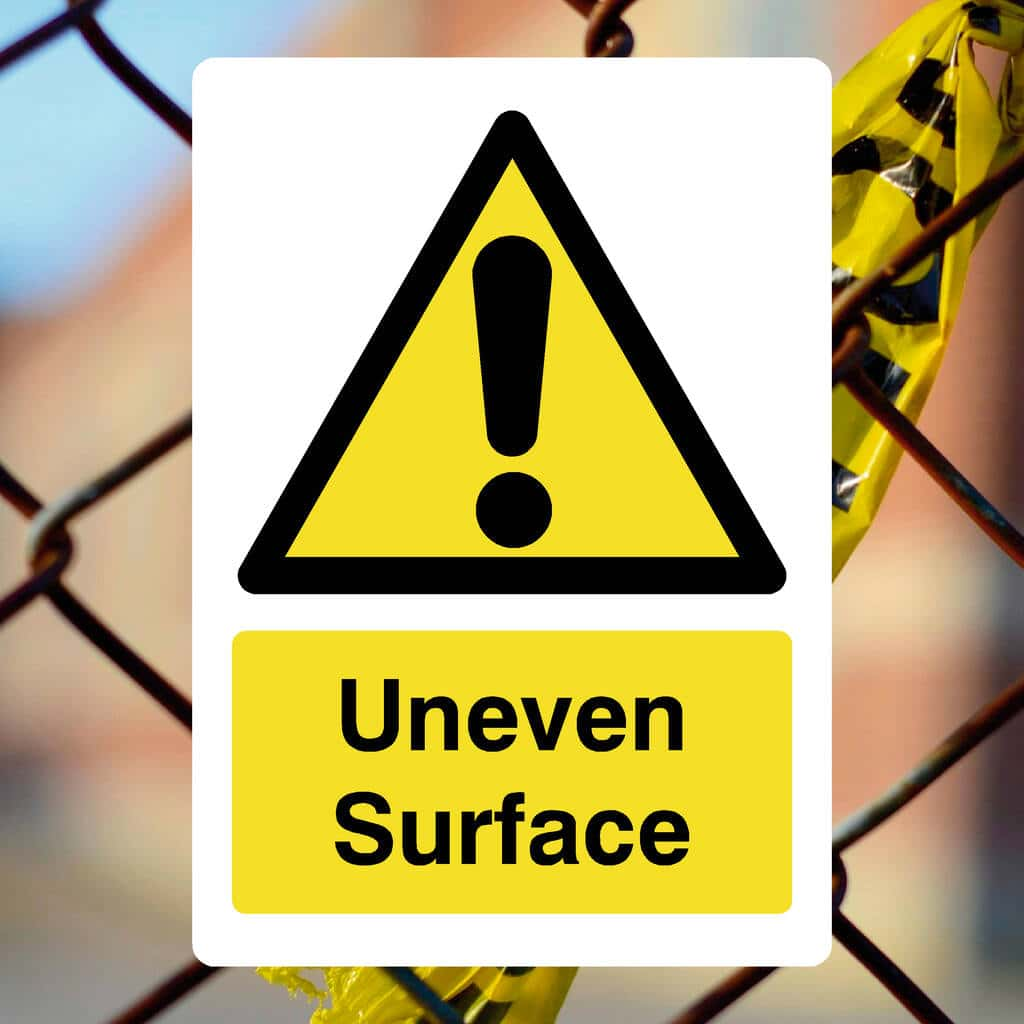
Uneven Surface Warning Sign -
Fragile Roof Hazard Sign -
Mind Your Head Warning Sign -
Mind The Step Sign -
Mind The Step Warning Sign -
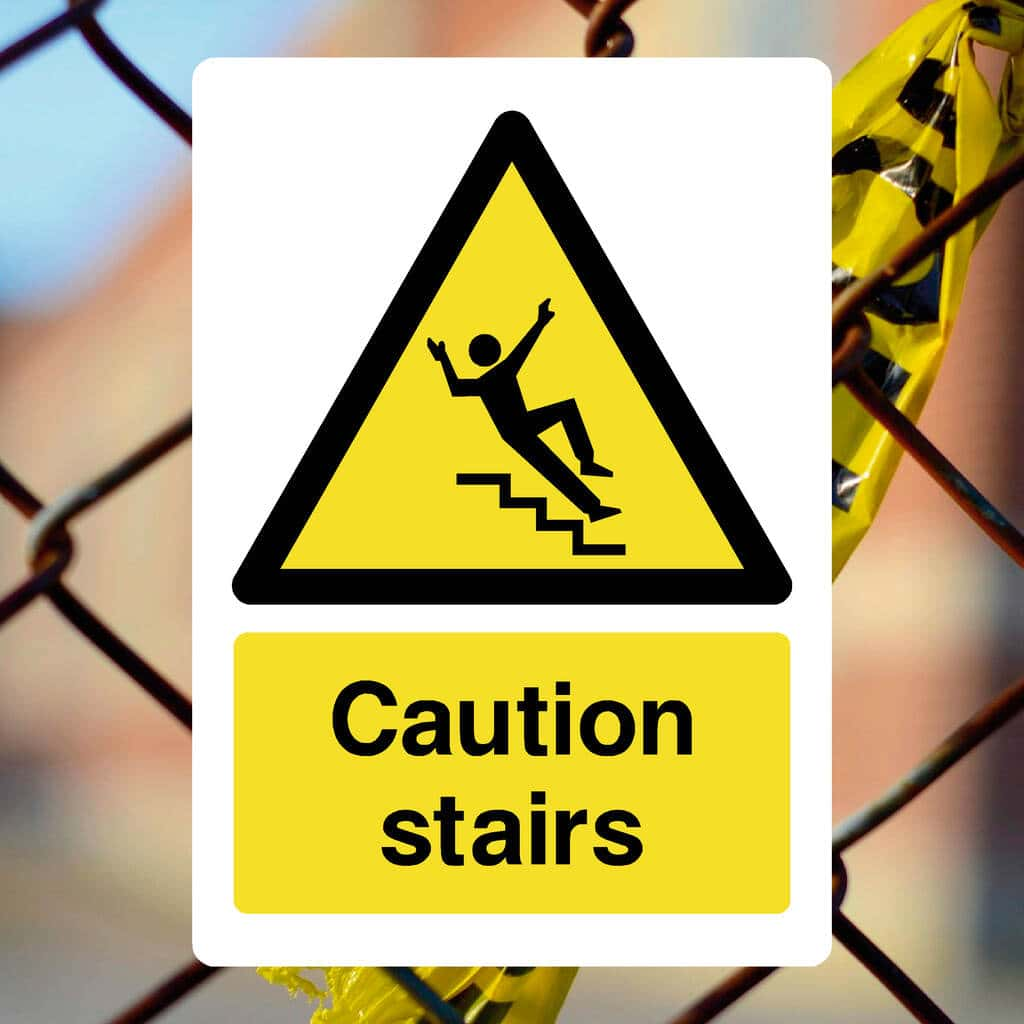
Caution Stairs Sign -
Slippery Floor Sign V2 -
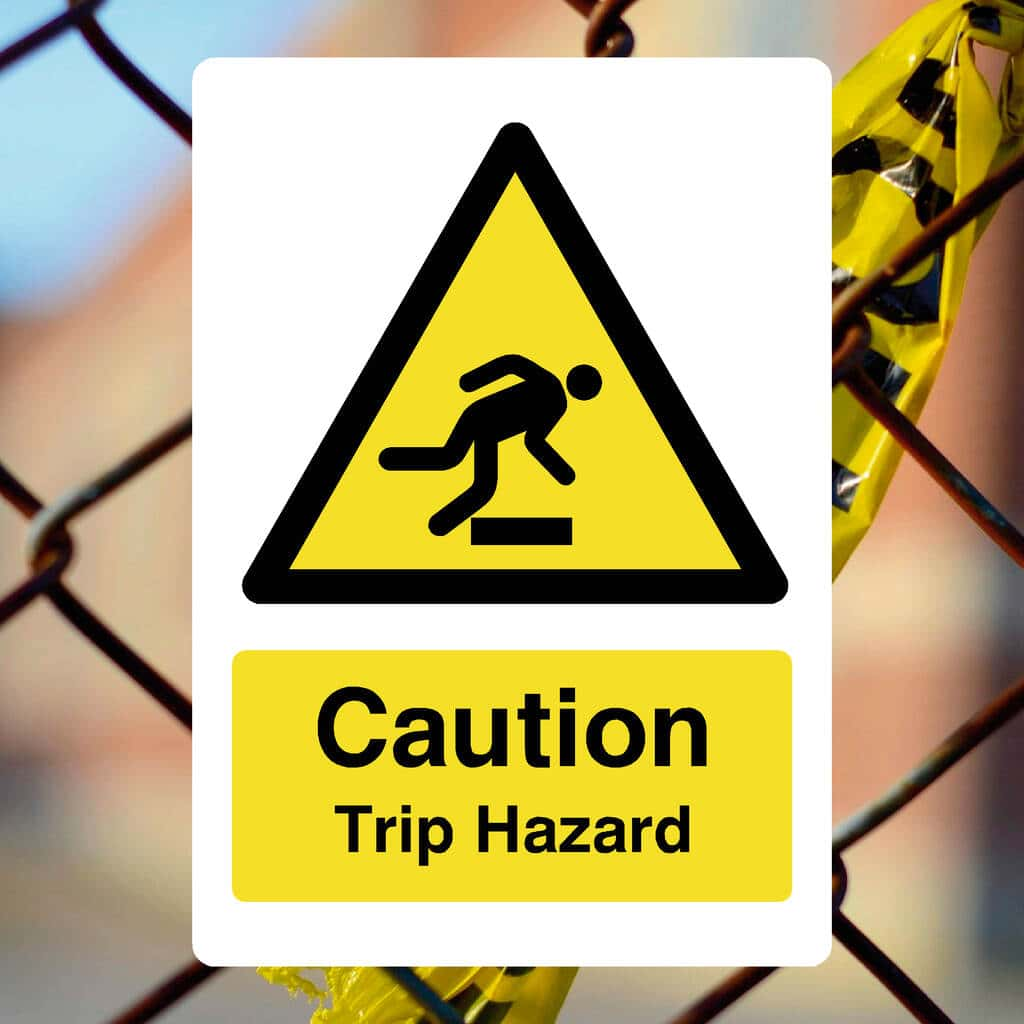
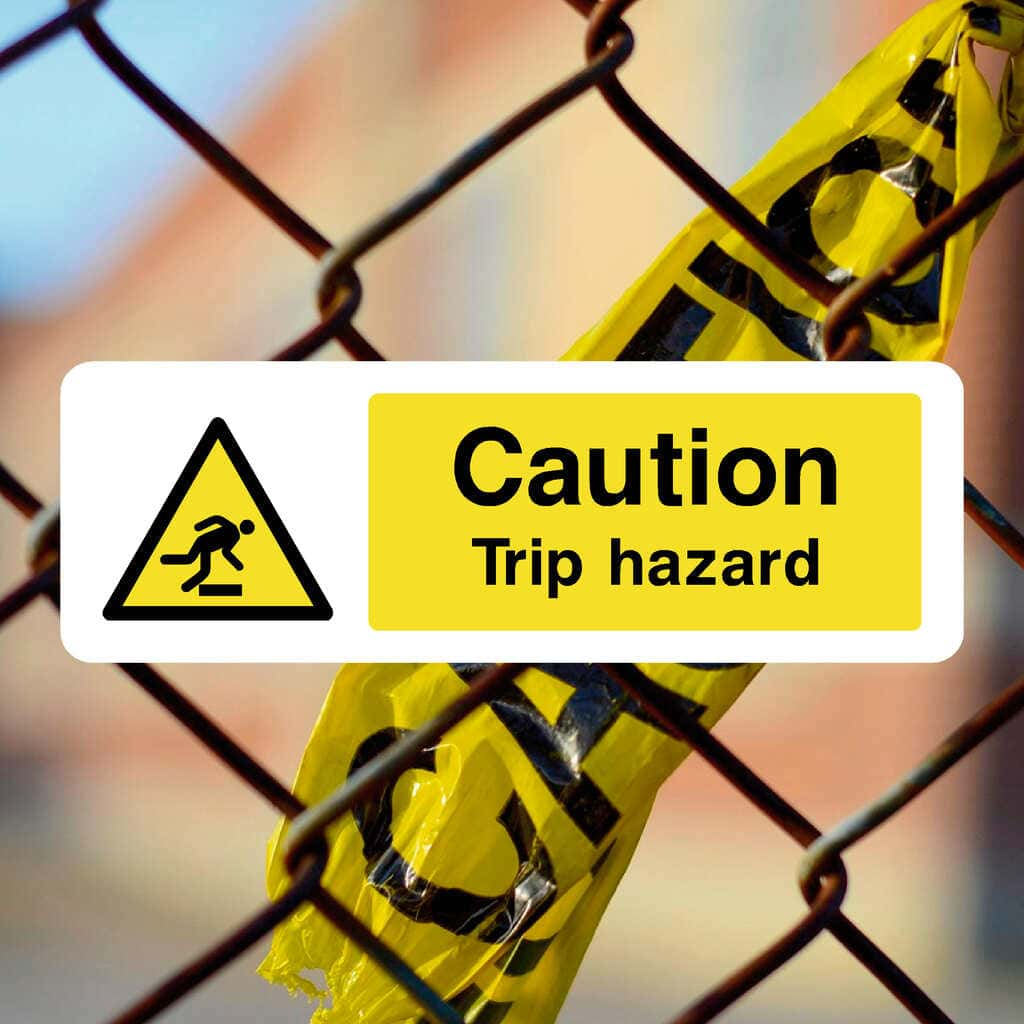
Trip Hazard sign -
Slippery Floor Surface Sign -
Head Alert Sign -
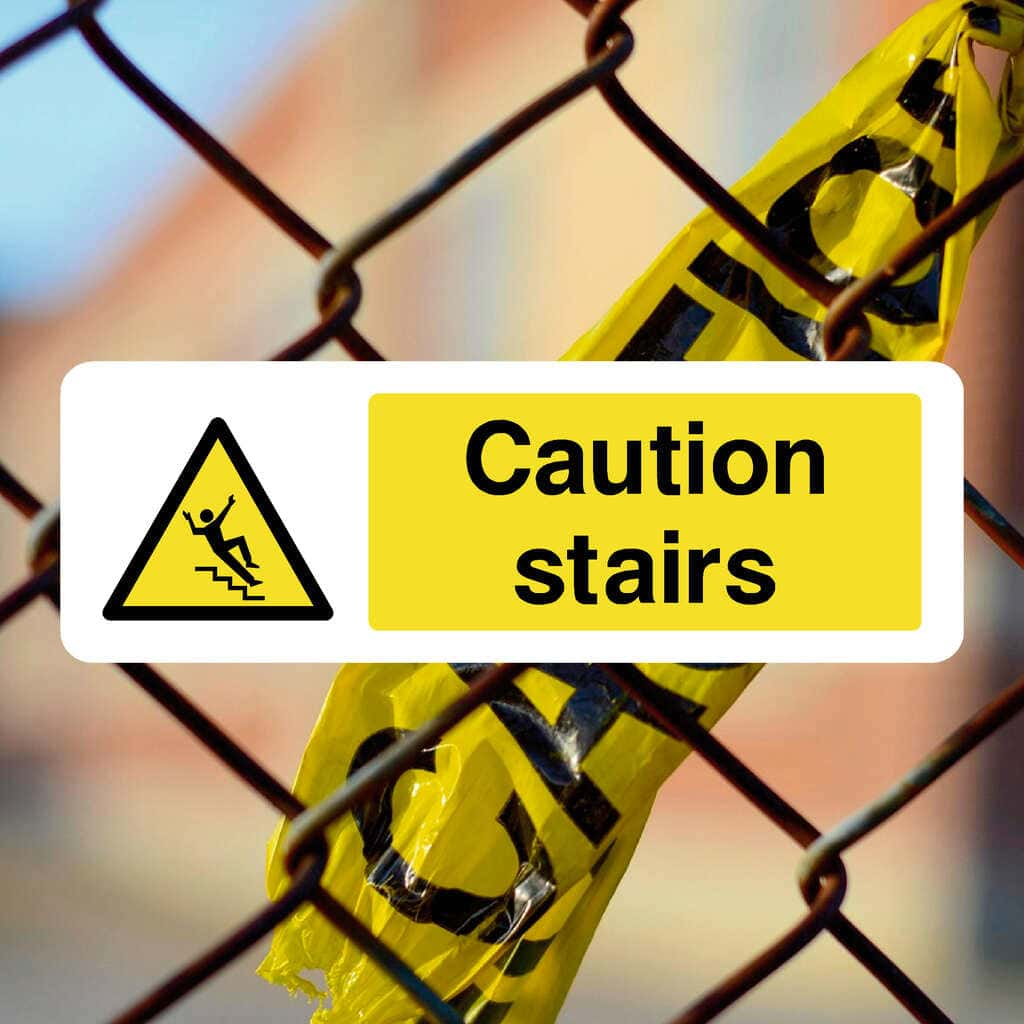
Caution Stairs Sign V2 -
Trip Hazard Warning Sign -
Falling Objects Warning Sign -
Warning Unstable Cliff Sign -
Scaffolding Do Not Use Sign -
Hold Hand Rail Sign -
Scaffolding Incomplete Alert Sign -
Falling Hazard Trap Sign
Slip, Trip & Fall Safety Sign Buying Advice


Slip, Trip & Fall Safety Signs for UK Workplaces
Slippery floors, uneven surfaces, unexpected steps and obstructions can create hazards in workplaces, commercial buildings and public areas.
Choosing the right Slip, Trip & Fall Safety Signs helps communicate these risks to employees, contractors, customers and visitors.
At The Sign Shed, our range includes Trip Hazard Signs, Slippery Floor Signs, Uneven Surface Warning Signs, Mind the Step Signs and other notices for areas where extra care may be needed.
Whether you're identifying a change in floor level, warning people about a slippery surface or replacing damaged safety notices, we offer a choice of sign sizes and materials to suit different installations.
Trip Hazard Signs
Trip hazards can occur where walking surfaces are uneven or obstacles are present.
Common examples include trailing cables, raised thresholds, temporary obstructions and changes in floor level.
Trip Hazard Warning Signs help draw attention to these conditions where a warning remains necessary.
They may be useful in warehouses, workshops, construction areas, commercial premises and maintenance environments.
However, a warning sign should not replace removing or controlling the hazard wherever reasonably practicable.
Slippery Floor Signs
Slippery Floor Signs warn people about surfaces where there may be an increased risk of slipping.
These signs may be relevant to:
- Building entrances exposed to rain.
- Areas affected by cleaning.
- Commercial kitchens.
- Warehouses and loading areas.
- Suitable indoor and outdoor walkways.
Where a floor is temporarily wet, a portable warning notice or suitable barrier may be more appropriate than a permanent wall-mounted sign.
The priority should be dealing with the slippery condition and preventing access where necessary.
Uneven Surface Warning Signs
Uneven flooring can create a risk of trips and falls.
An Uneven Surface Warning Sign can help highlight changes in level or irregular walking surfaces that people may not immediately notice.
These notices may be useful in industrial premises, warehouses, maintenance areas and suitable outdoor locations.
Choose a sign that can be recognised before someone reaches the affected area.
Mind the Step Signs
A Mind the Step Sign draws attention to a step or level change.
Common locations include door thresholds, changes in floor height, entrances and other areas where the level difference may not be obvious.
Depending on the layout, a sign may be useful alongside appropriate lighting, contrasting step markings or other necessary safety measures.
Caution Stairs Signs
Staircases and changes in level may require additional warnings where a specific risk remains.
Caution Stairs Signs can help communicate the need for care at relevant approaches.
The appropriate sign should reflect the actual hazard and should not replace suitable handrails, lighting, stair maintenance or other necessary controls.
Which Slip, Trip or Fall Sign Should You Choose?
Different hazards require different messages.
HazardSign to considerSlippery walking surfaceSlippery Floor SignTrailing cables or obstaclesTrip Hazard SignUneven flooringUneven Surface Warning SignUnexpected step or thresholdMind the Step SignStaircase hazardCaution Stairs SignSpecific risk of falling from heightAppropriate fall hazard warning and other required controls
Choose a message that identifies the actual hazard rather than relying on a general warning.
Where Should Slip, Trip & Fall Signs Be Displayed?
Warning signs should be positioned where people can recognise the hazard before encountering it.
Typical locations include:
- Entrances and doorways.
- Warehouse walkways.
- Maintenance areas.
- Changes in floor level.
- Relevant stair approaches.
- Construction site pedestrian routes.
- Commercial premises and public buildings.
Avoid positioning signs where they become obscured by equipment, stored materials or open doors.
Choosing the Right Size
The most suitable sign size depends on the viewing distance, lighting and amount of information displayed.
A small self-adhesive notice may be suitable for a particular door or equipment area.
A larger rigid sign may be more appropriate for a warehouse walkway or outdoor access point.
Check the available dimensions on each product page before ordering.
Choosing the Right Material
The Sign Shed offers a selection of sign materials across the range, including:
Self-Adhesive Vinyl: Suitable for compatible smooth, clean surfaces.
Rigid Plastic: A practical option for wall-mounted warning signs.
Recycled Plastic: Available on selected products where a rigid board is preferred.
Foamex and Aluminium Composite: Available on applicable products for suitable mounting applications.
Material availability varies by sign, so check the individual product specification.
Are Slip, Trip & Fall Signs Required by UK Law?
UK employers have duties to manage workplace risks, including hazards associated with slips and trips.
The Health and Safety (Safety Signs and Signals) Regulations 1996 require appropriate safety signage where significant risks remain after other relevant control measures have been taken.
However, there is no universal requirement to display a particular Slip, Trip or Fall Sign in every workplace.
The correct signs depend on the risks present and the measures already in place.
Warning signs should support good housekeeping, appropriate flooring, lighting, maintenance and other necessary precautions.
Buy Slip, Trip & Fall Signs from The Sign Shed
Whether you need a Trip Hazard Sign for a warehouse, a Slippery Floor Sign for commercial premises or a Mind the Step Sign for a building entrance, The Sign Shed offers a selection of practical safety notices.
Choose from different sizes, materials and fixing options on applicable products.
Made in Britain, with automatic bulk savings on eligible orders.
Explore our Slip, Trip & Fall Safety Signs and find the right warning notice for your workplace.
Got a question?
Get quick solutions to your common Slip, Trip & Fall Warning Signs buying questions
-
A slip hazard involves a loss of grip between footwear and the walking surface, often associated with wet or contaminated floors. A trip hazard occurs when a person's foot catches on an obstruction or change in level, such as an uneven surface or raised threshold.
-
Common examples include Trip Hazard Signs, Uneven Surface Warning Signs and Mind the Step Signs. Choose the wording that best describes the hazard.
-
Not exactly. Slippery Floor Signs warn about surfaces where someone may lose their footing, while Trip Hazard Signs identify obstacles, uneven surfaces or changes in level.
-
A Mind the Step Sign may be appropriate where a step, threshold or change in level presents a risk that people might not immediately recognise.
-
A temporary warning sign may be appropriate while a floor remains slippery. Cleaning arrangements should also prevent access to unsafe surfaces where necessary, and the sign should be removed when the hazard has been resolved.
-
Appropriate safety signs may be required where significant risks remain after other control measures. The need for a particular sign depends on the workplace risk assessment and relevant conditions.