FREE DELIVERY
Get free delivery on orders over £35

Made in britain
Official member of the Made In Britain organisation
BULK SAVE
Automatic discounts of up to 30%
SECURE CHECKOUT
Secure online checkout
FAST DISPATCH
Order before 2pm weekdays for same day dispatch
General Prohibition signs
Help protect staff and visitors with our General Prohibition Signs—clear, compliant visuals to enforce restricted behaviours across your premises. Covering everyday needs from ‘No parking’ and ‘No running’ to ‘No flash photography’ and ‘Not drinking water’, each sign features the standard red-circle slash symbol and bold pictograms. Durable, HSE-compliant and easy to install—available in a range of formats to suit indoor or outdoor use.
-
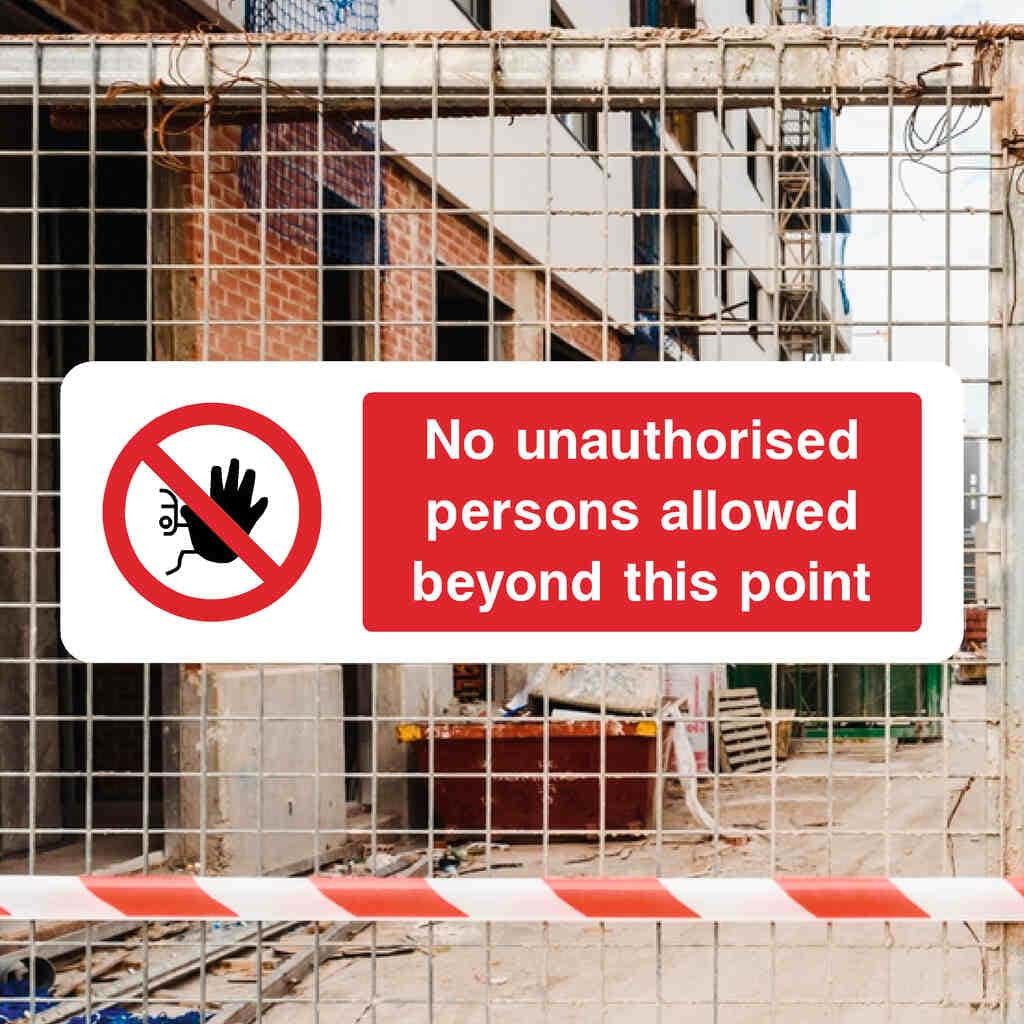
No Unauthorised Persons Sign -
No Swimming Sign -
Not Drinking Water Sign -
Fire Action & Assembly Sign -
No BBQ or Fires Sign -
Stop Virus Notice Multi Purpose Sign -
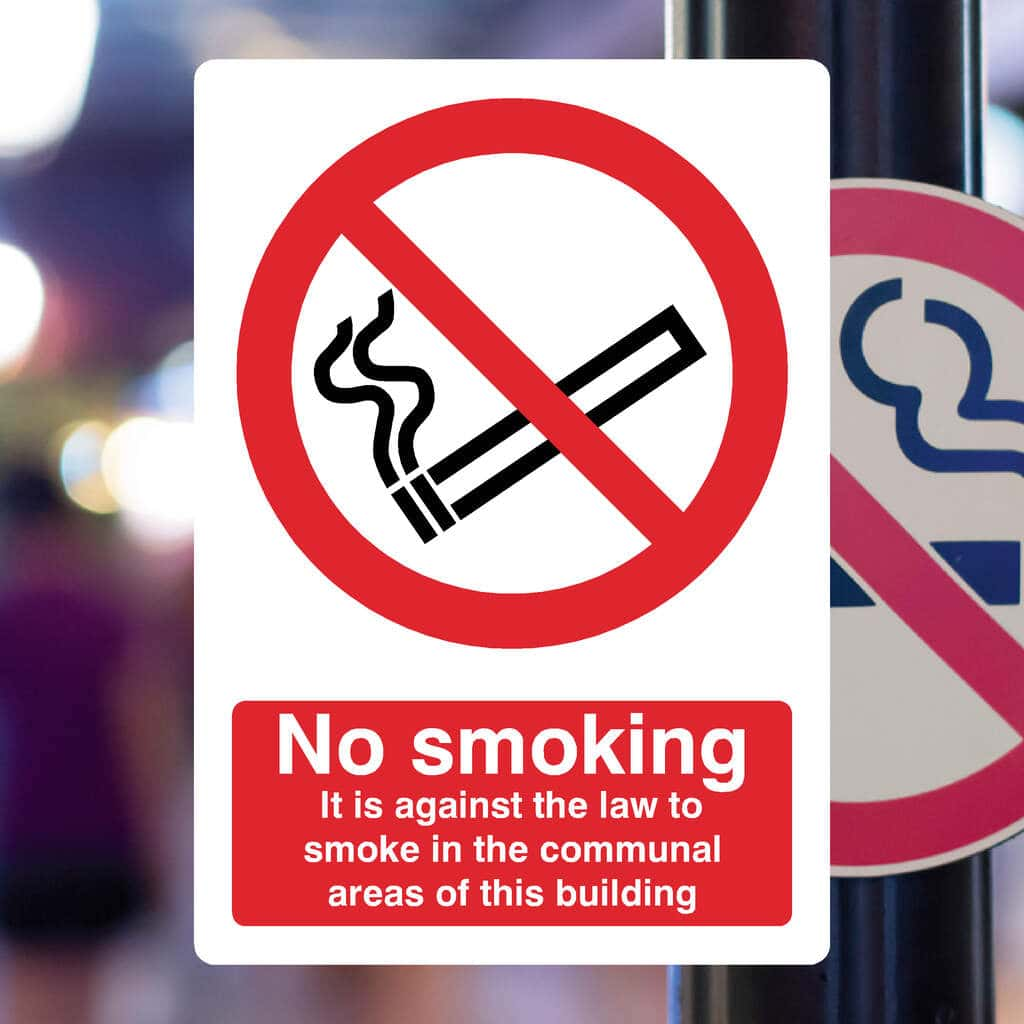
No Smoking Communal Sign -
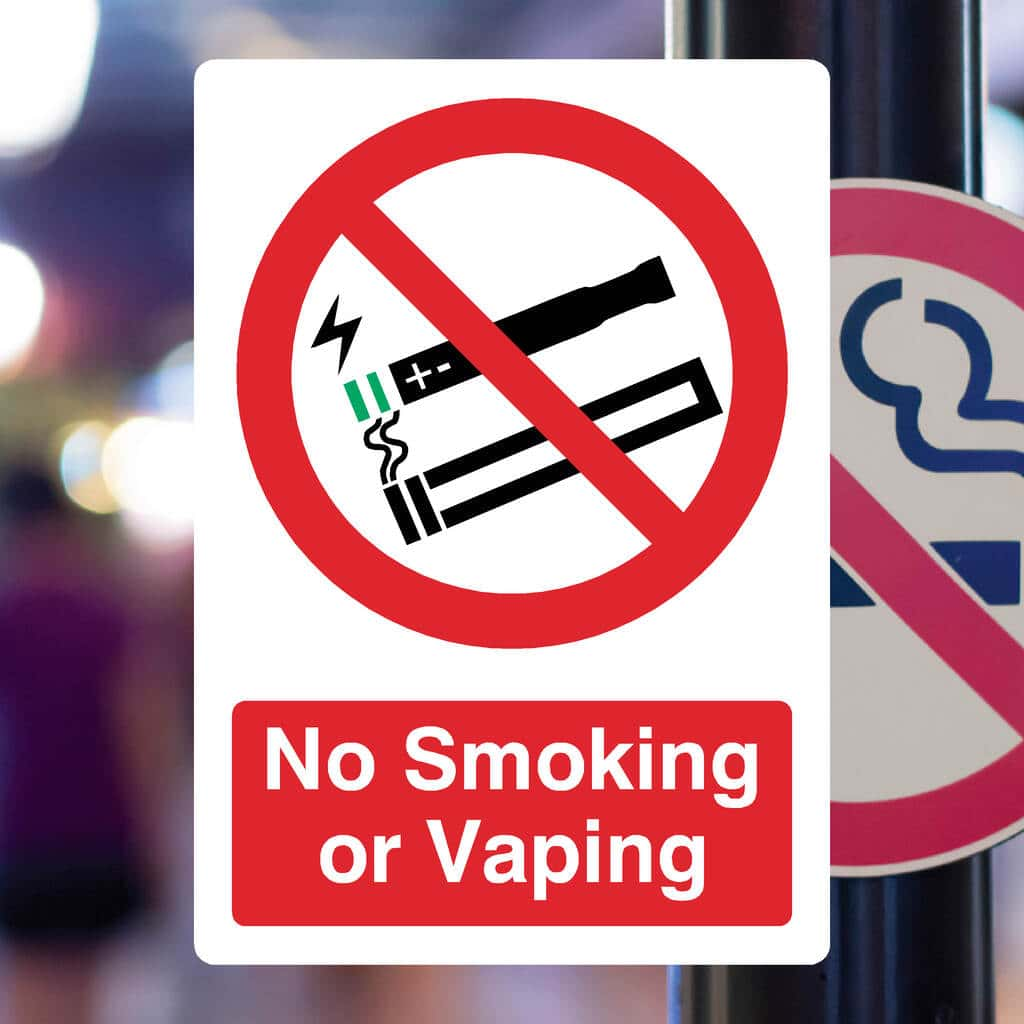
No Smoking & Vaping Sign -
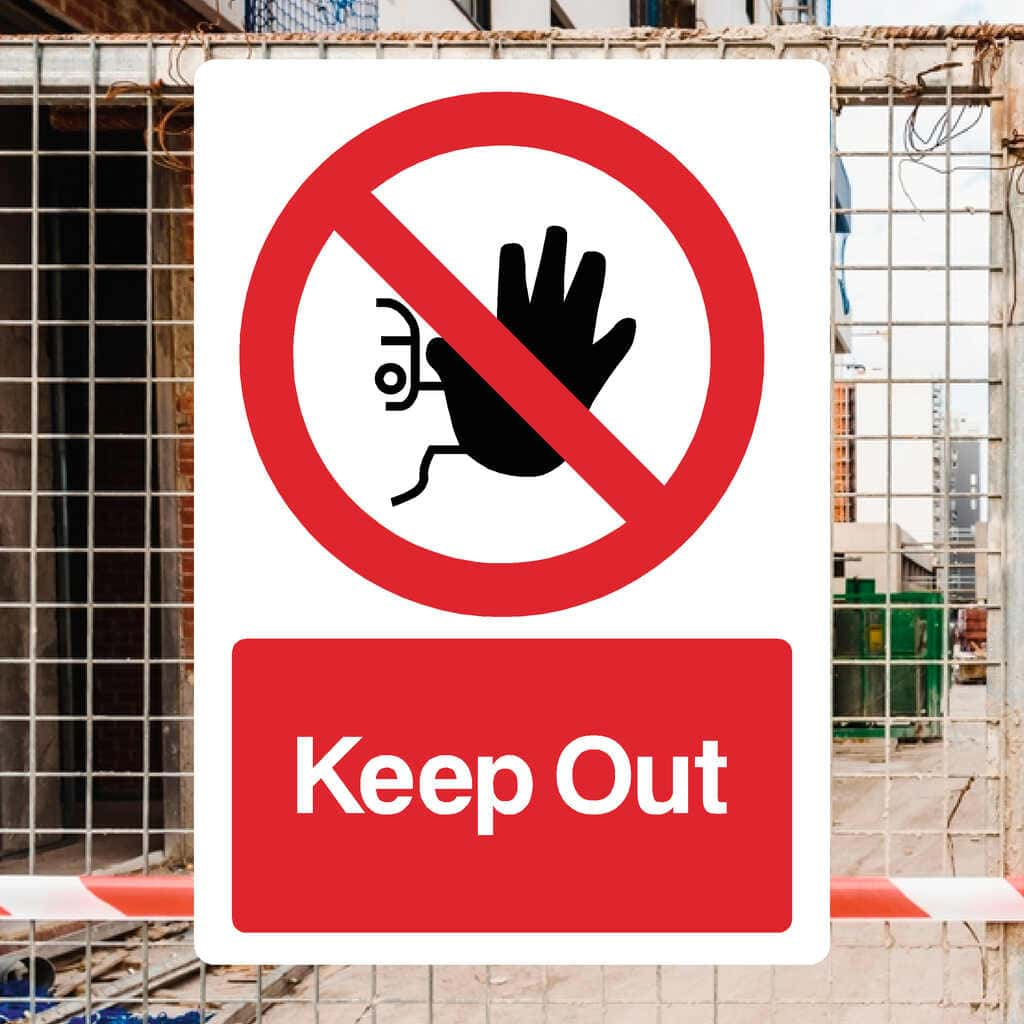
Keep Out Sign -
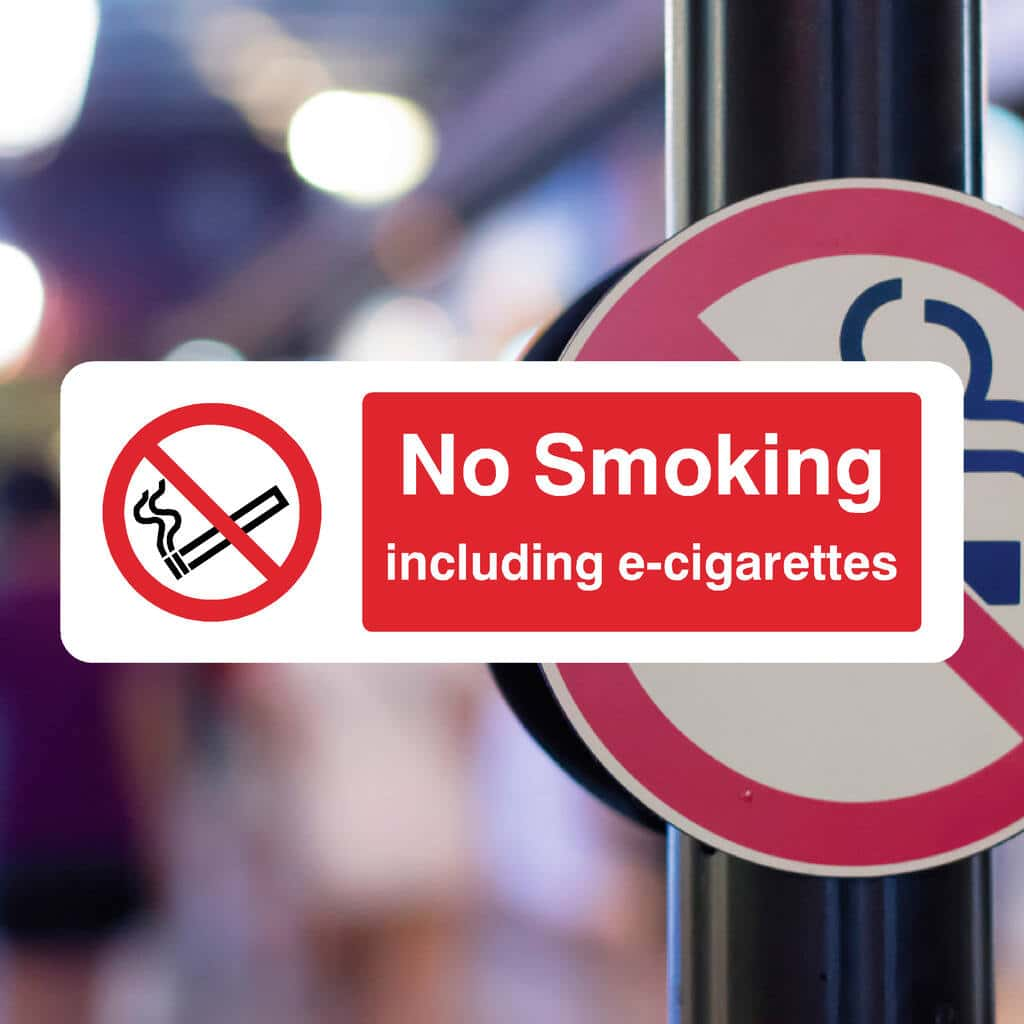
No Smoking E-Cigarettes Sign v2 -
No Entry Sign v3 -
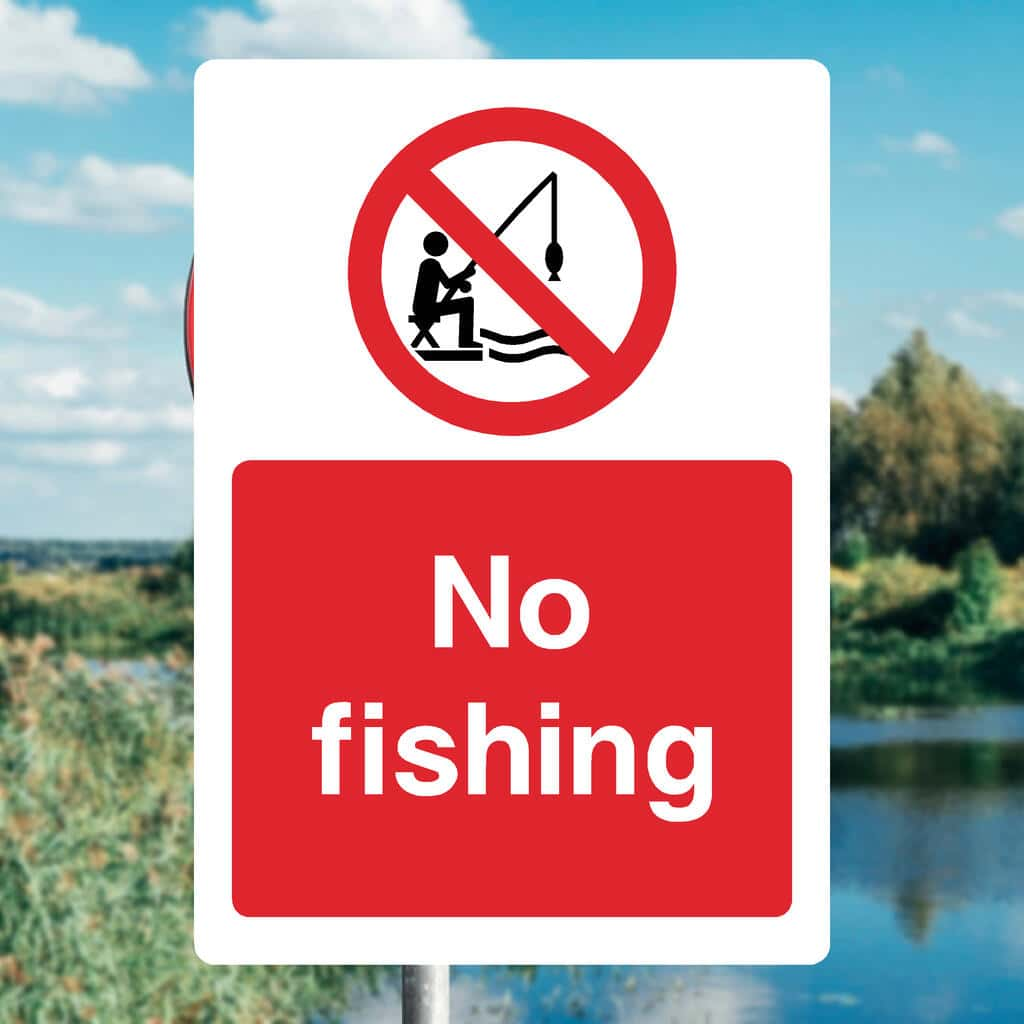
No Fishing Sign -
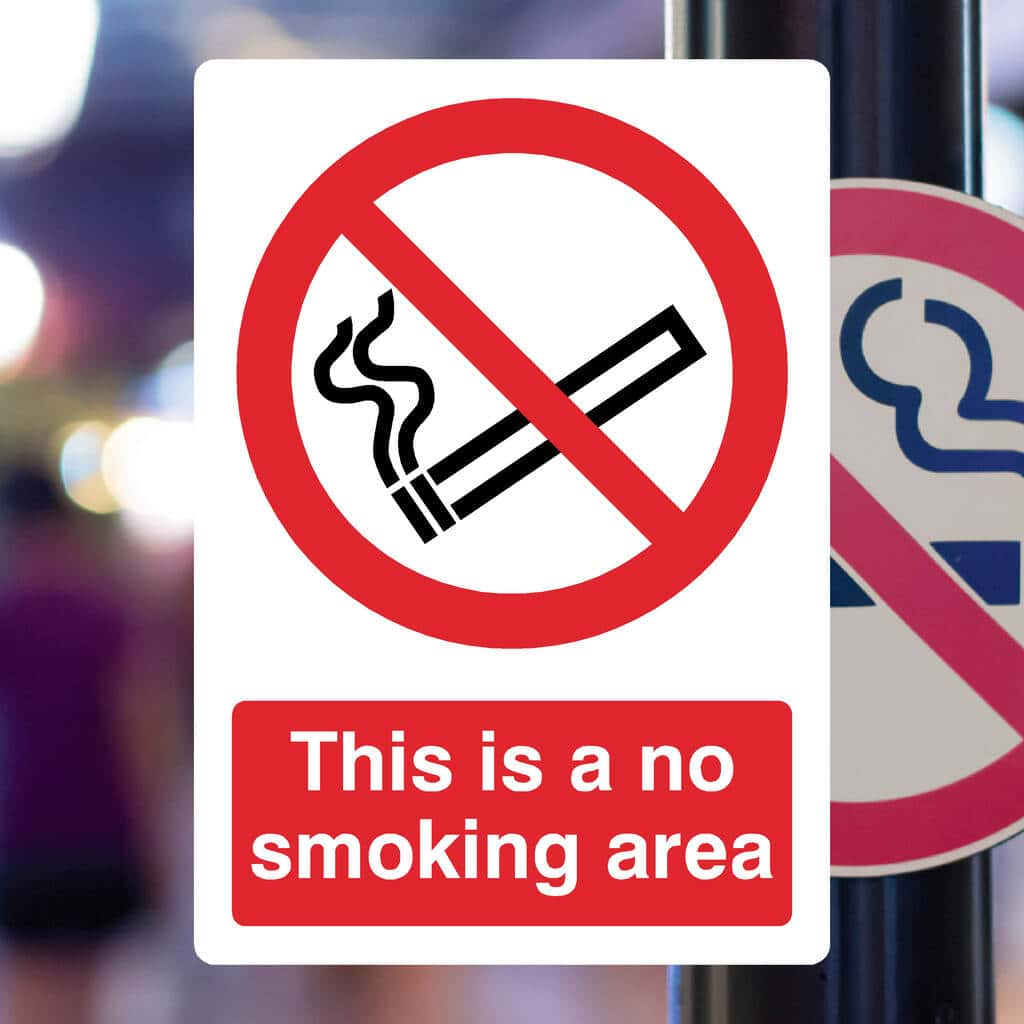
No Smoking Area Sign -
No Diving Safety Sign -
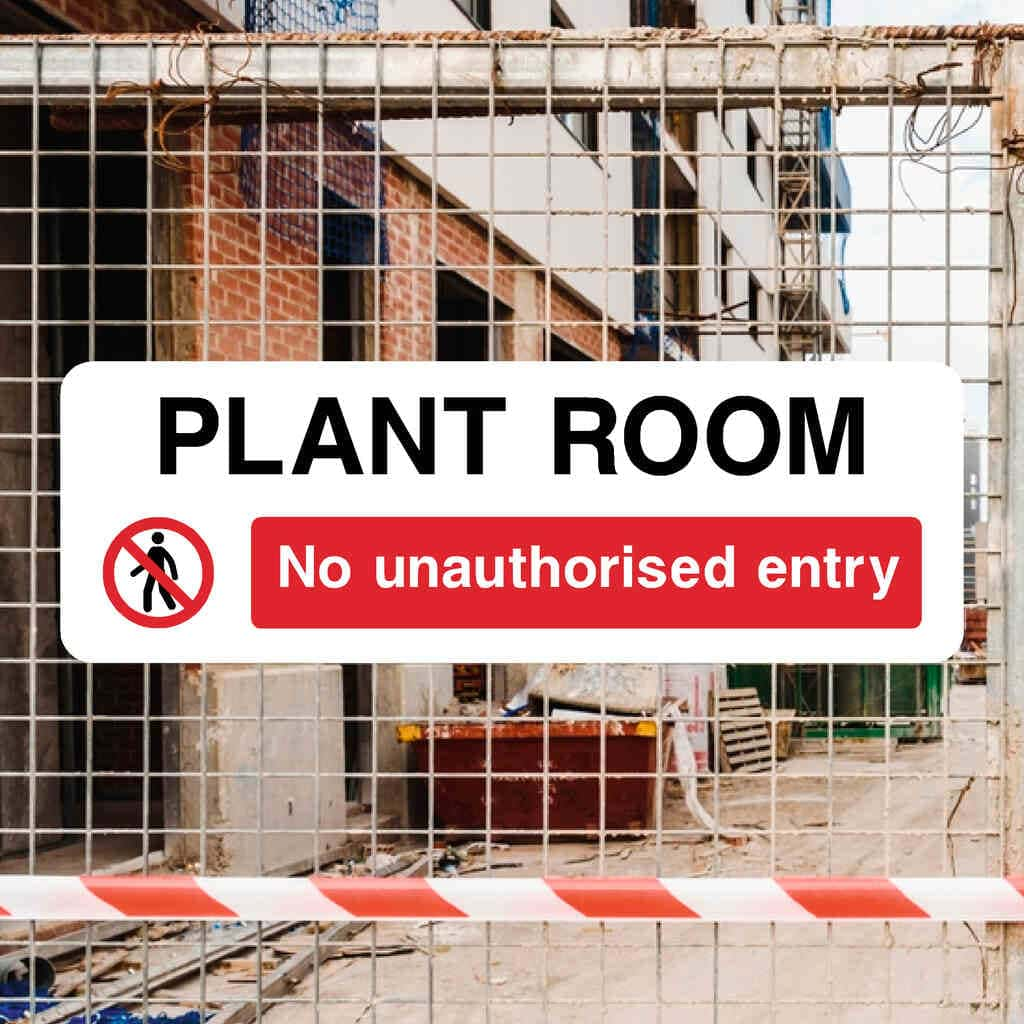
Plant Room No Entry Sign -
No Cycling Sign -
No Motorbikes Sign -
Not Drinking Water Sign v2 -
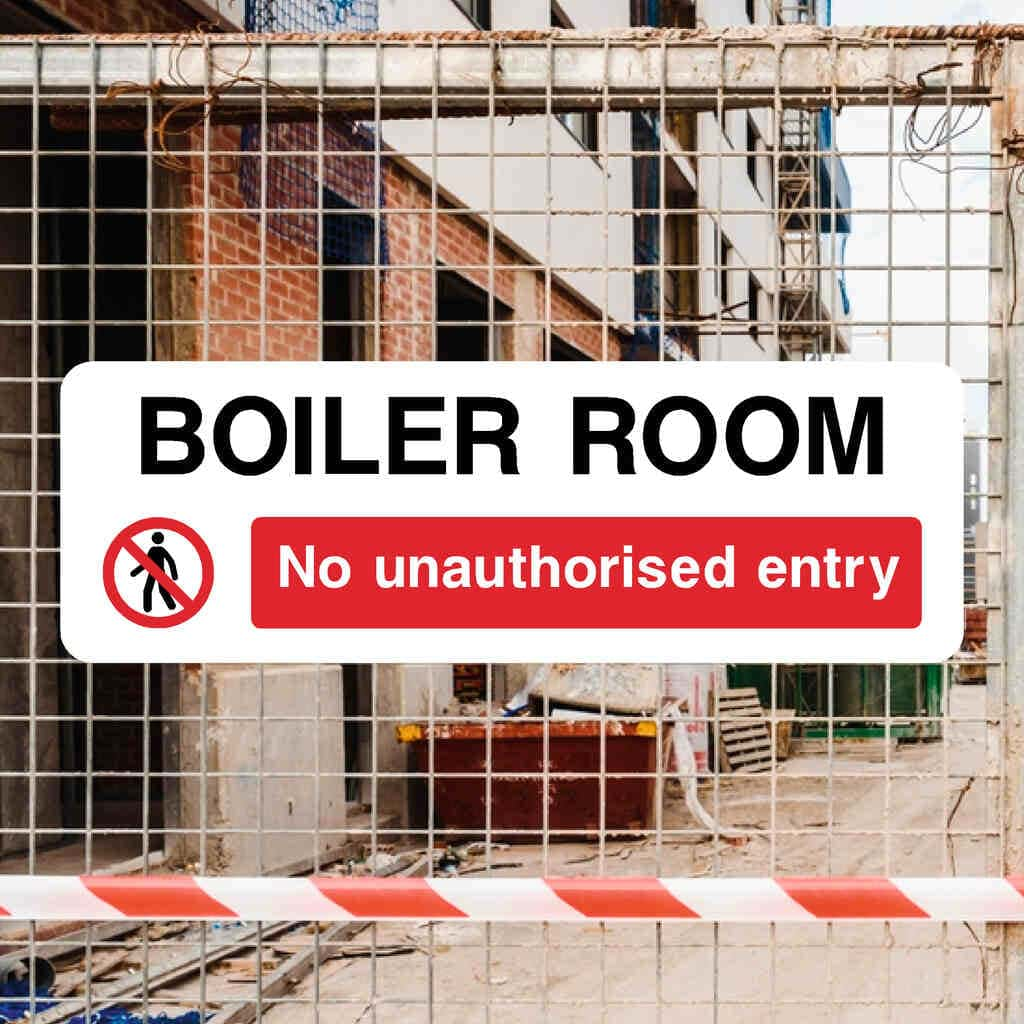
Boiler Room Entry Sign -
Staff Only Sign -
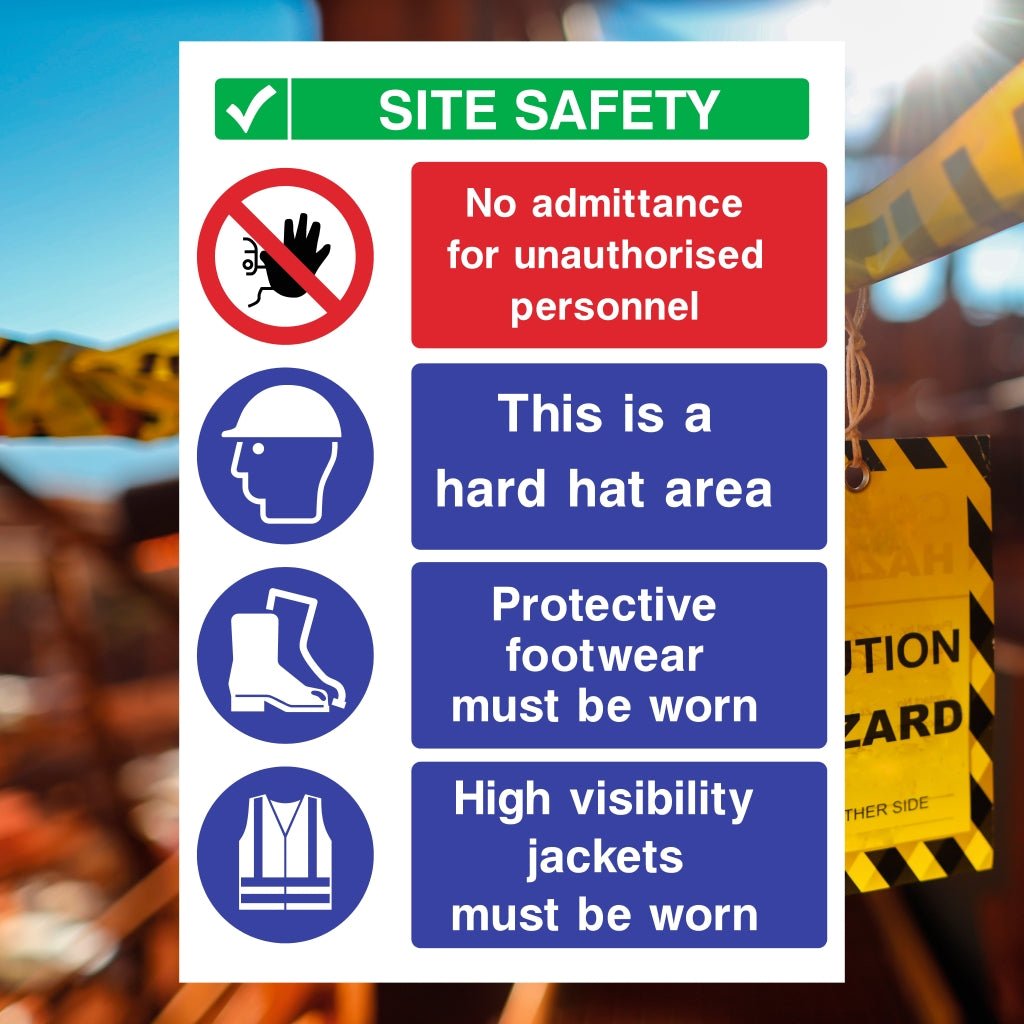
Site Safety No Admittance Sign -
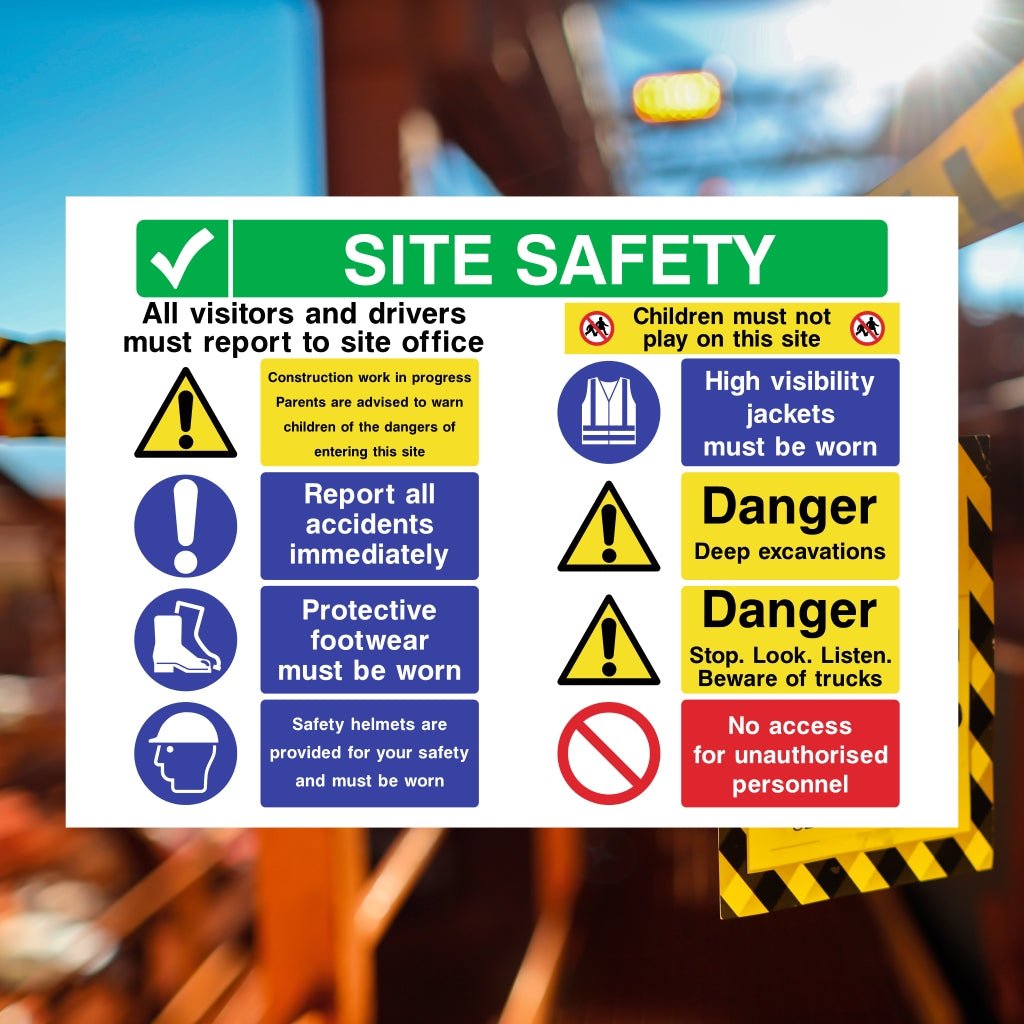
Multi-Message Site Sign -
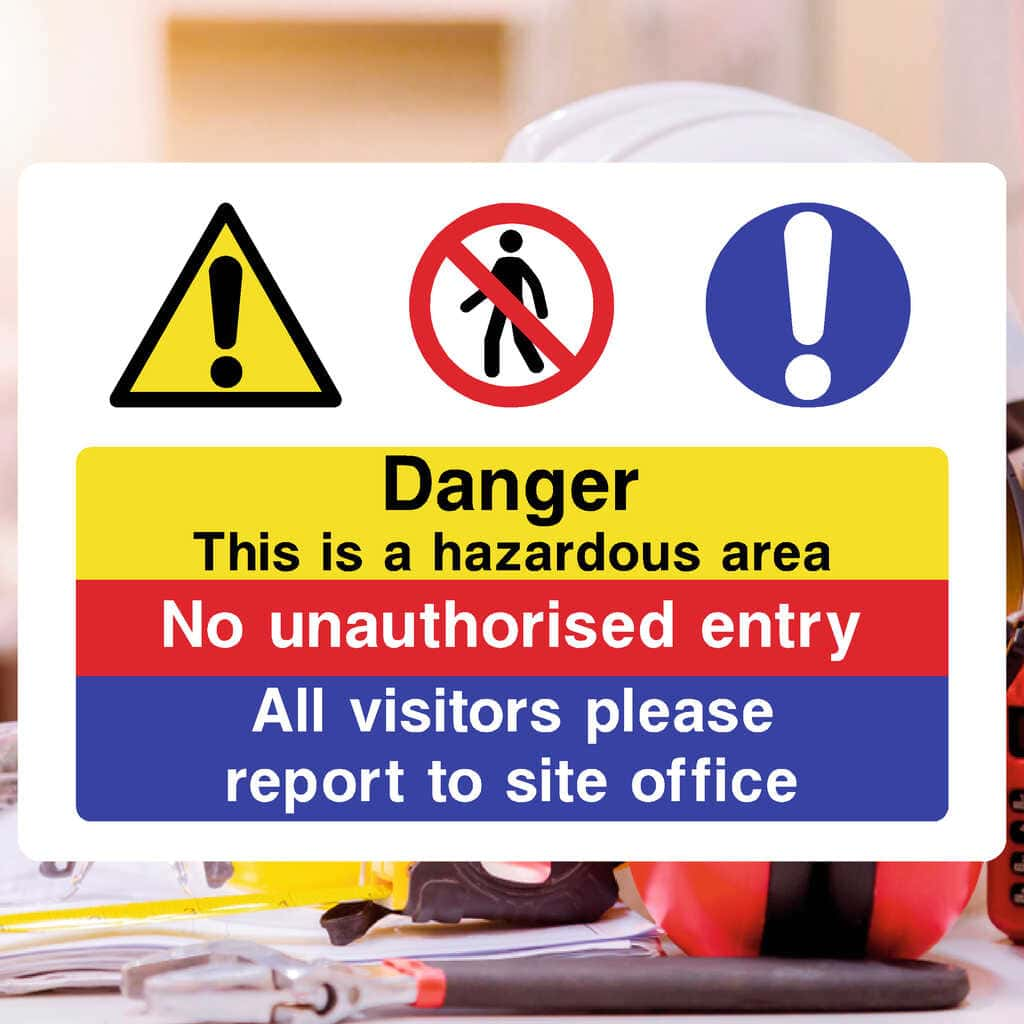
Hazardous Area Sign -
Unsuitable For HGVs Sign v2










Frequently asked questions
Get quick solutions to your common prohibition sign buying questions
Prohibition signs are safety signs used to indicate actions that are not allowed, such as "No Smoking" or "No Entry." They play a crucial role in preventing accidents, ensuring compliance with health and safety laws, and promoting a safer working environment. These signs are legally required in many workplaces under the Health and Safety (Safety Signs and Signals) Regulations 1996, which implement the European Directive 92/58/EEC on safety signs.
Prohibition signs should be displayed in locations where a specific action could pose a risk to health, safety, or security. Common areas include:Workplaces: To prohibit hazardous activities, such as "No Smoking" near flammable materials.Construction Sites: To restrict access to dangerous areas with signs like "No Unauthorised Persons Beyond This Point."Warehouses & Factories: To prevent unsafe practices, such as "No Forklifts Beyond This Point."Public Spaces: To enforce rules, such as "No Dogs Allowed" in parks or "No Cycling" in pedestrian zones.Schools & Educational Facilities: To prevent unauthorised access to restricted areas.
By clearly communicating restrictions, prohibition signs help prevent incidents such as:Fire Hazards: "No Smoking" signs reduce the risk of ignition in flammable environments.Slips, Trips, and Falls: "No Entry" or "Authorised Personnel Only" signs help prevent people from entering hazardous areas.Workplace Injuries: "Do Not Operate Machinery Without Authorisation" reduces risks in industrial settings.Road & Traffic Safety: "No Entry" and "No Parking" signs regulate traffic to prevent accidents.
Yes, under the Health and Safety (Safety Signs and Signals) Regulations 1996, employers must provide safety signs where there is a significant risk that cannot be avoided or controlled by other means. This includes prohibition signs to indicate actions that could cause danger. The HSE (Health and Safety Executive) advises that these signs must be:Red and white in colour, with a clear pictogram (e.g., a cigarette with a red line through it for "No Smoking").Easily visible and placed where they are most needed.Used alongside other safety measures, such as training and protective equipment.
Prohibition signs follow strict design standards to ensure they are easily recognisable:Red circle with a diagonal line: Universal symbol for prohibition.White background: Ensures high visibility.Black pictogram: Clearly illustrates the restricted action.Durable materials: Suitable for indoor and outdoor environments, including rigid plastic, aluminium, and vinyl stickers.
To select the right sign, consider:The specific hazard: Identify the prohibited action (e.g., smoking, entry, machinery use).Location & Visibility: Ensure the sign is positioned where it will be clearly seen.Compliance Needs: Check UK legislation and industry regulations for mandatory signage.Material & Durability: Choose weatherproof materials for outdoor signs or self-adhesive vinyl for indoor use.