
Face Protection Signs
Equip your workplace with essential face protection signage—clearly conveying mandatory mask, face‑shield, respirator, or eye‑and‑face protection in compliance with UK safety standards (e.g., Health & Safety (Safety Signs) Regulations 1996). Our durable signs include ISO/BES EN symbols, self‑adhesive vinyl or robust rigid options, ideal for factories, labs, construction sites or public facilities. Visible reminders reduce risk and ensure staff and visitor safety in high‑hazard areas.
-
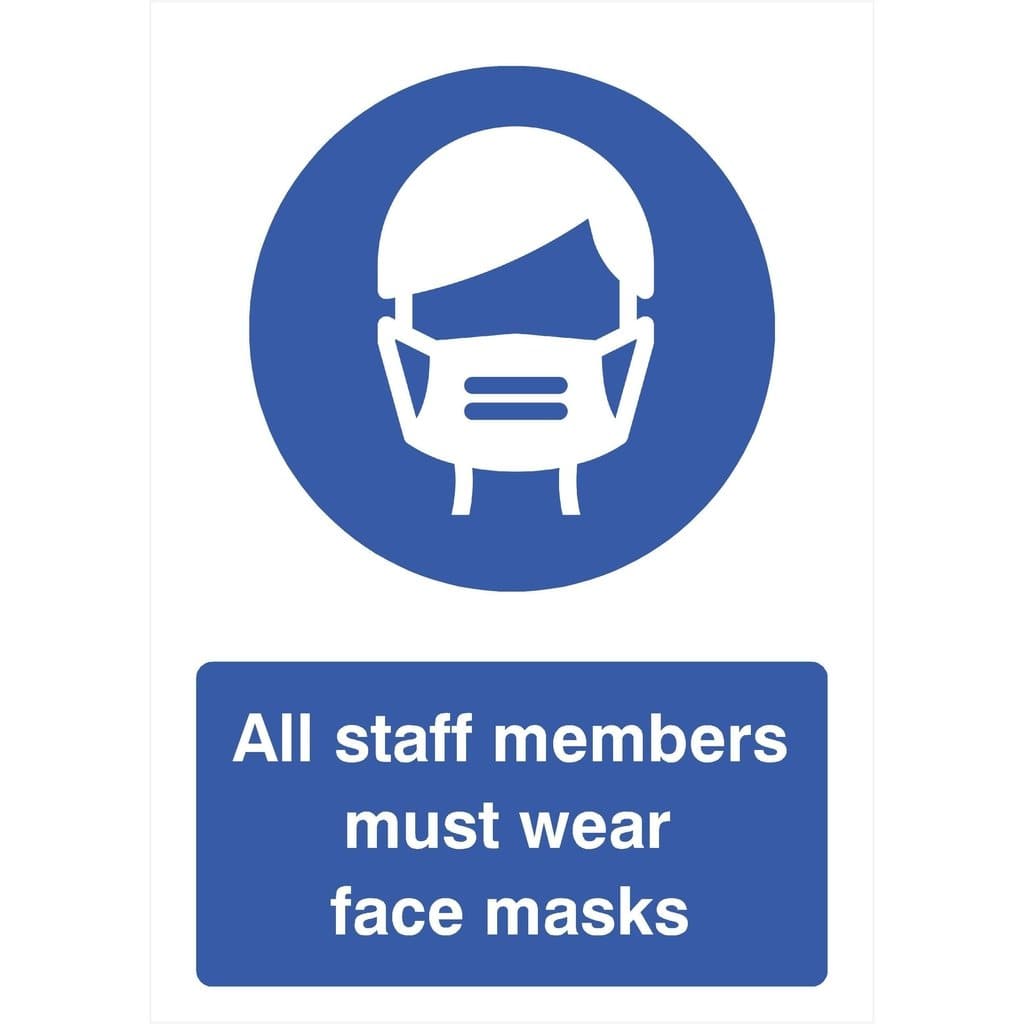
All Staff Members Must Wear Face Masks Sign -
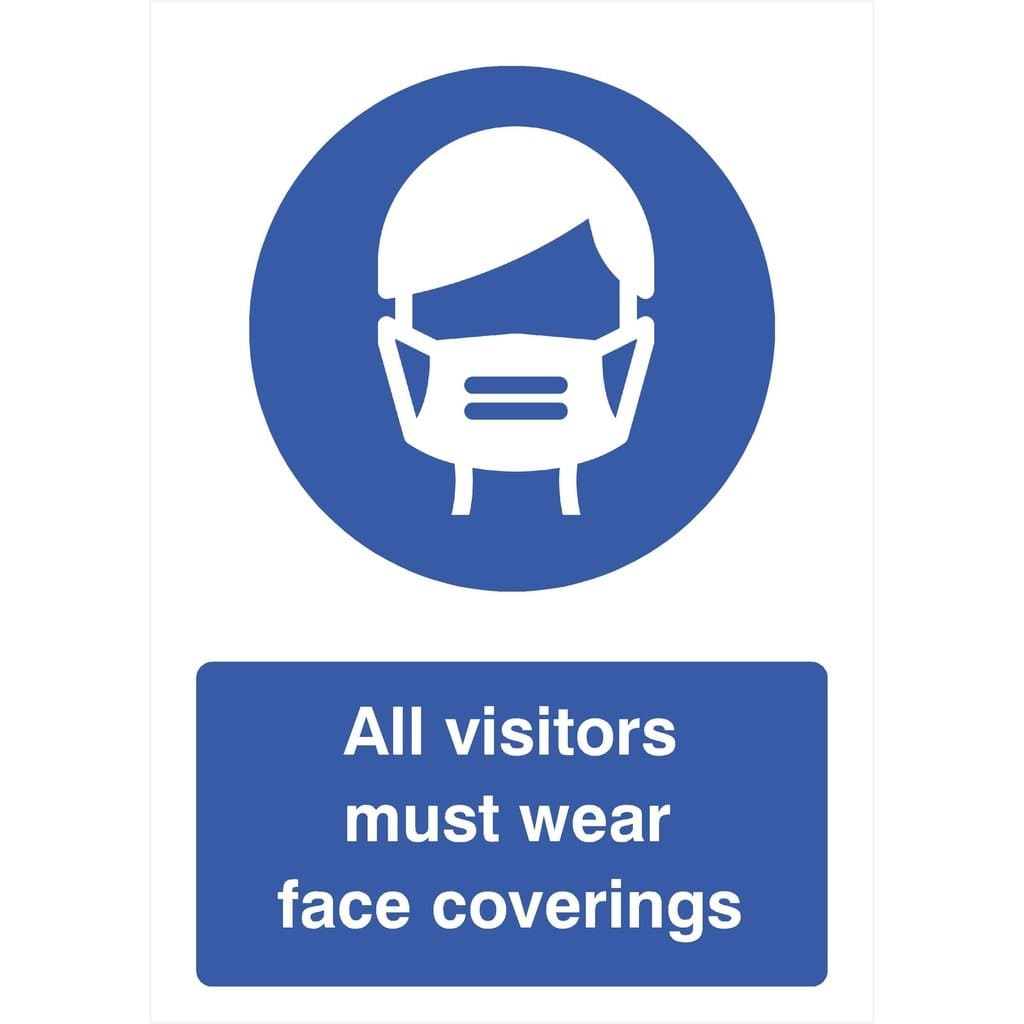
All Visitors Must Wear Face Coverings Sign -
Caution Face Mask Must Be Worn Sign -
Caution Wear Face Mask Sign -
Face Covering Must Be Worn In This Store Sign -
Face Covering Required Sign -
Face Coverings Must Be Worn To Enter Sign -
Face Coverings Required To Enter Sign -
Face Coverings To Be Worn On This Site Sign -
Face Mask Must Be Worn Sign -
Face Masks Required Sign -
Face Shield Warning Sign -
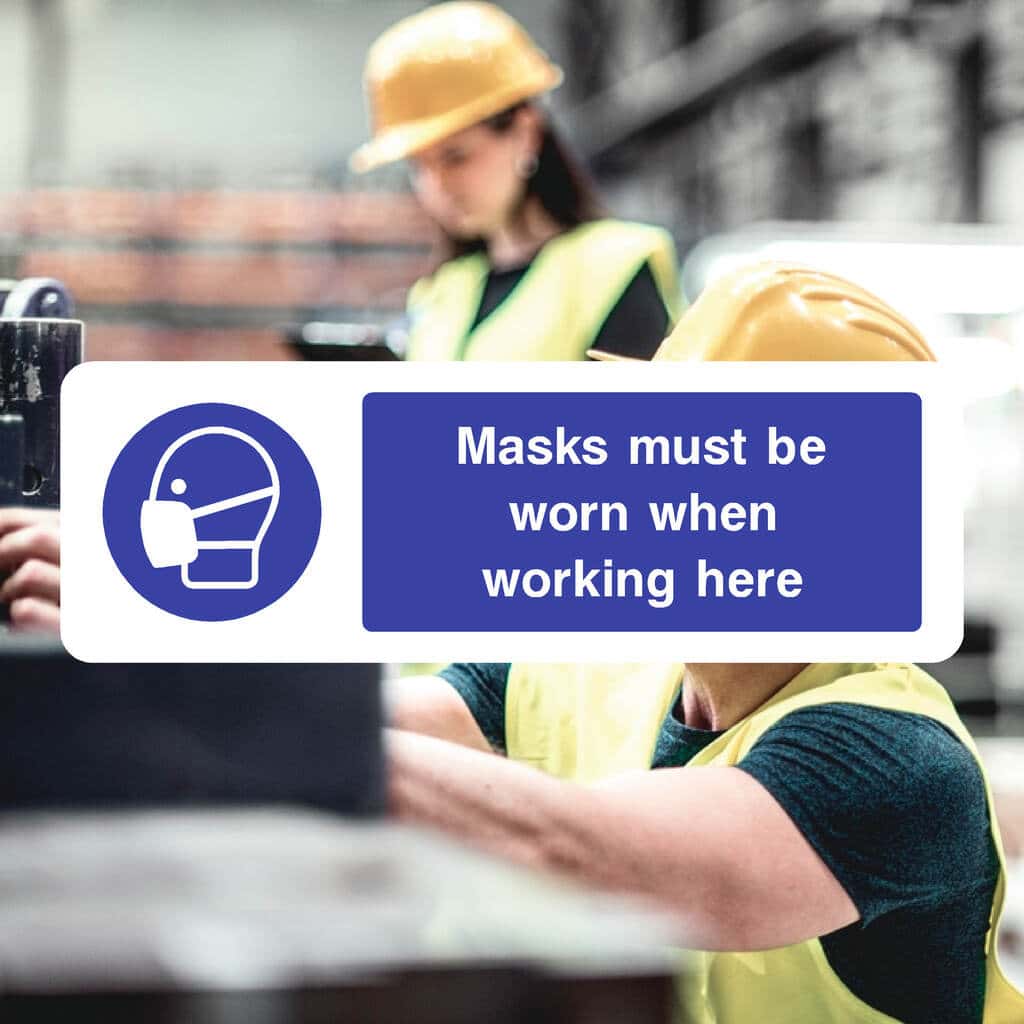
Masks Must Be Worn Sign v2 -
Notice Please Ensure Mouth And Nose Are Covered Sign -
Notice Please Wear A Face Covering Sign -
Please Wait To Be Seated Face Covering Sign -
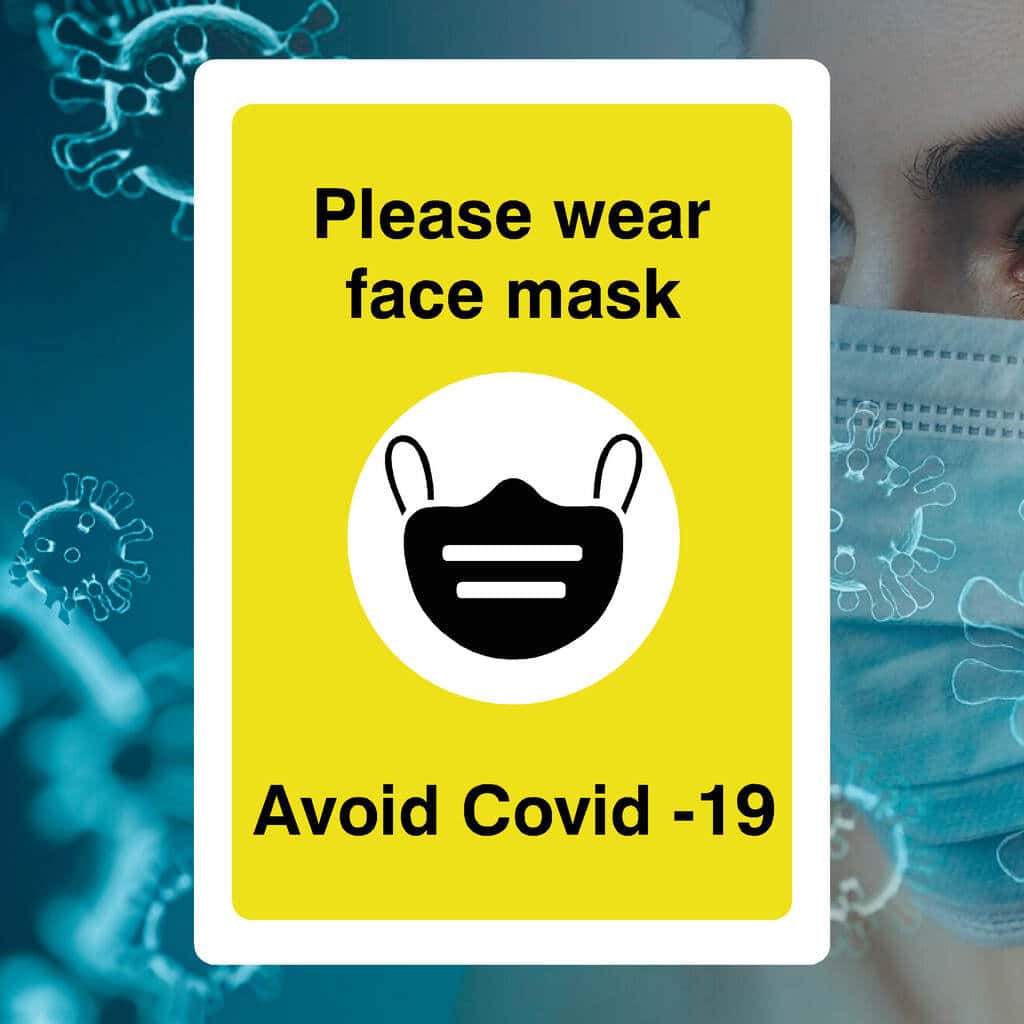
Please Wear A Face Mask Avoid Virus Sign -
Respirator Must Be Worn Sign -
Respirator Warning Sign -
We Are Open Face Covering Must Be Worn Sign -
Wear A Face Mask Sign -
Wear Face Mask Sign -
Wear Face Shield Sign -
Wear Welding Mask Sign






Frequently asked questions
Get quick solutions to your common PPE sign buying questions
PPE signs serve as clear visual reminders that employees and visitors must wear specific protective equipment to reduce the risk of injury. These mandatory signs help businesses comply with health and safety regulations while preventing workplace accidents caused by exposure to hazards such as loud noise, hazardous substances, and falling objects.
PPE signage should be placed at all entry points to hazardous areas and in locations where workers or visitors may be at risk. This includes:
Construction sites – Hard hat and high-visibility clothing signs near site entrances.
Factories and workshops – Ear protection and eye protection signs in areas with loud machinery or flying debris.
Laboratories and medical facilities – Gloves and mask signs in areas where hazardous chemicals or biological agents are present.
Warehouses and distribution centres – Safety footwear and high-visibility clothing signs in forklift zones.
Food production facilities – Hairnet and hygiene-related PPE signs to maintain hygiene standards.
Under the Health and Safety (Safety Signs and Signals) Regulations 1996, employers must use mandatory signs where a risk cannot be controlled by other means. These regulations align with the Personal Protective Equipment at Work Regulations 1992, which require businesses to provide PPE and ensure it is used correctly. Failure to display appropriate safety signage can result in penalties from the Health and Safety Executive (HSE).
PPE signs reduce accidents by reminding employees and visitors to wear essential protective gear before entering hazardous areas. By enforcing compliance with PPE requirements, these signs help prevent:Head injuries from falling objects (hard hats).Hearing damage from prolonged noise exposure (ear protection).Eye injuries from dust, sparks, or chemicals (safety goggles).Respiratory issues caused by airborne contaminants (face masks).Slips, trips, and crush injuries (safety footwear).
Mandatory PPE signs are designed with a blue circle containing a white pictogram illustrating the required protective equipment. Common symbols include a hard hat, ear defenders, safety goggles, gloves, or protective clothing. These signs follow BS EN ISO 7010 standards, ensuring universal recognition across workplaces.
Not all workplaces require PPE signs, but they are mandatory wherever there is a risk that PPE is needed to prevent injury. Risk assessments carried out under the Management of Health and Safety at Work Regulations 1999 help determine whether PPE is necessary. If PPE is required, employers must provide it and ensure employees understand when and where to use it.